Last updated November 21, 2026
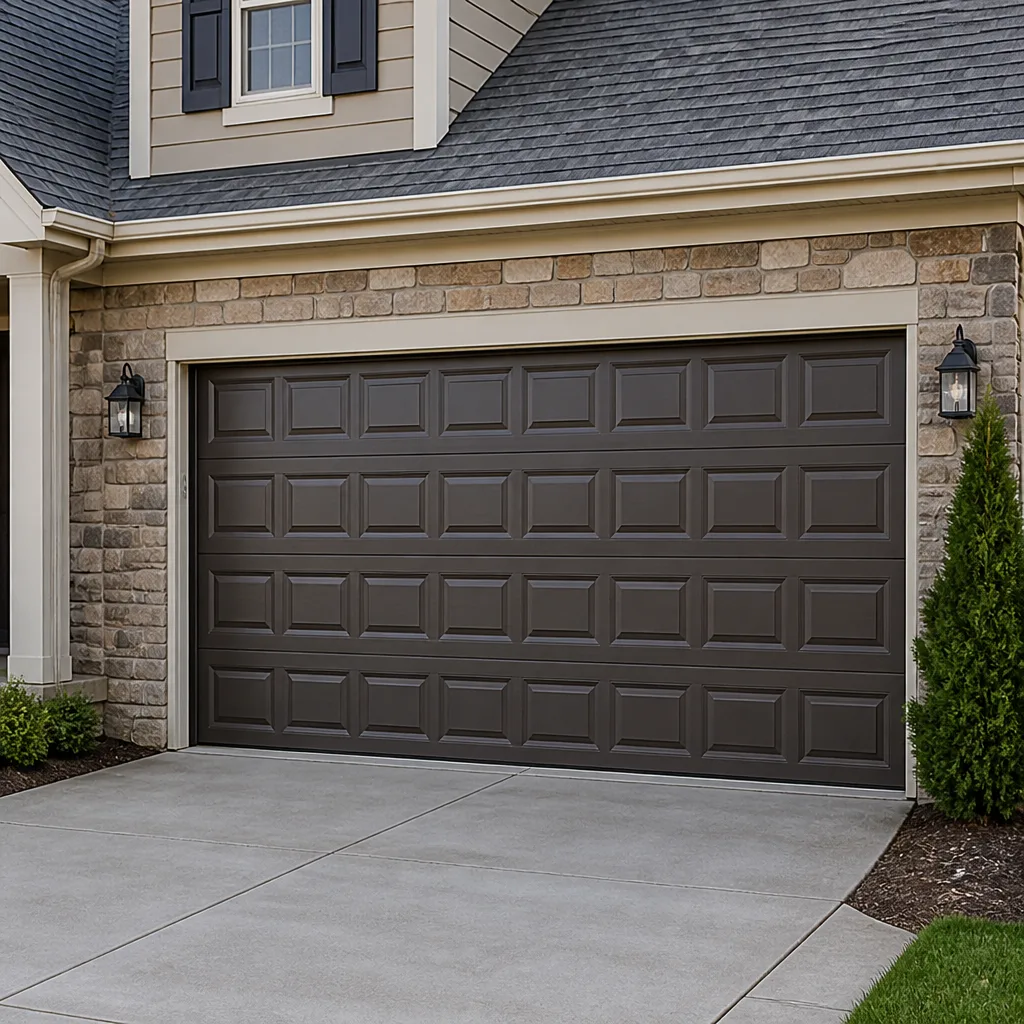 Raised-panel steel
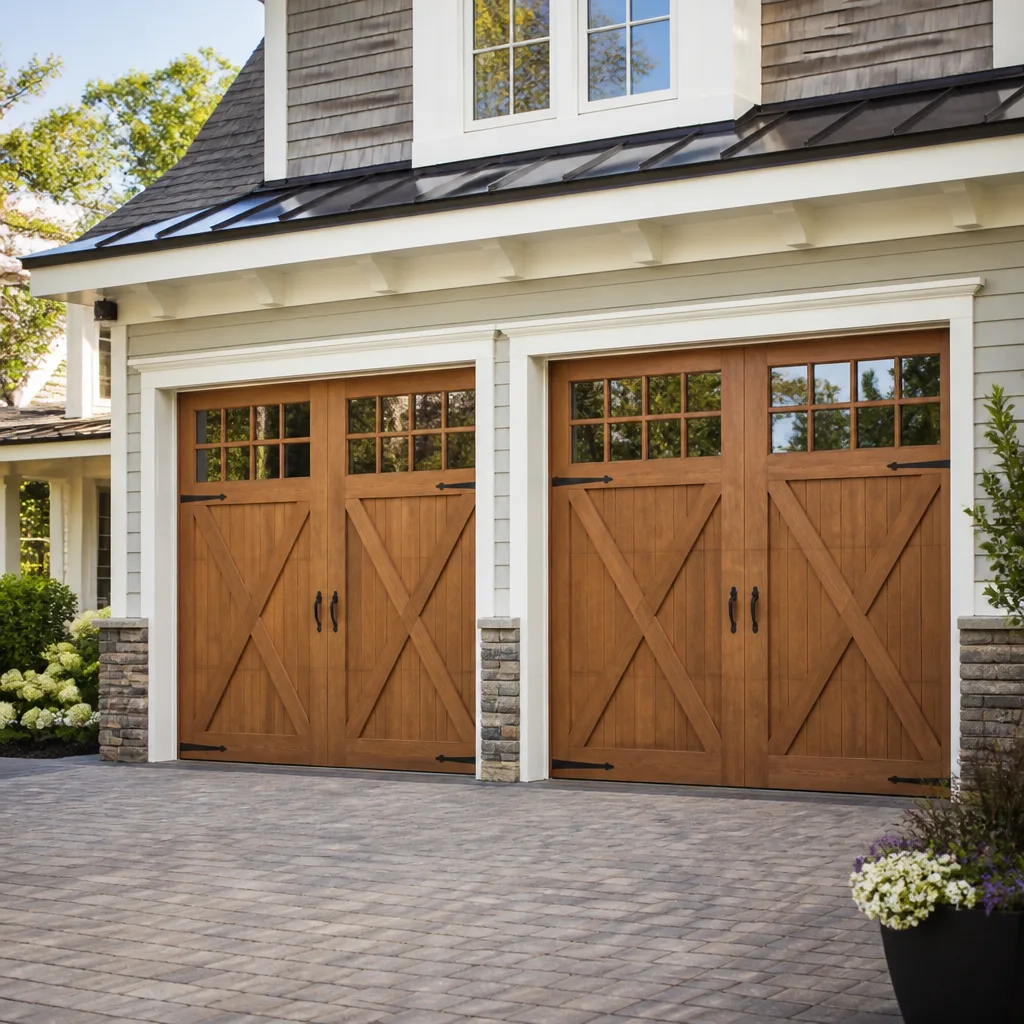 Carriage house
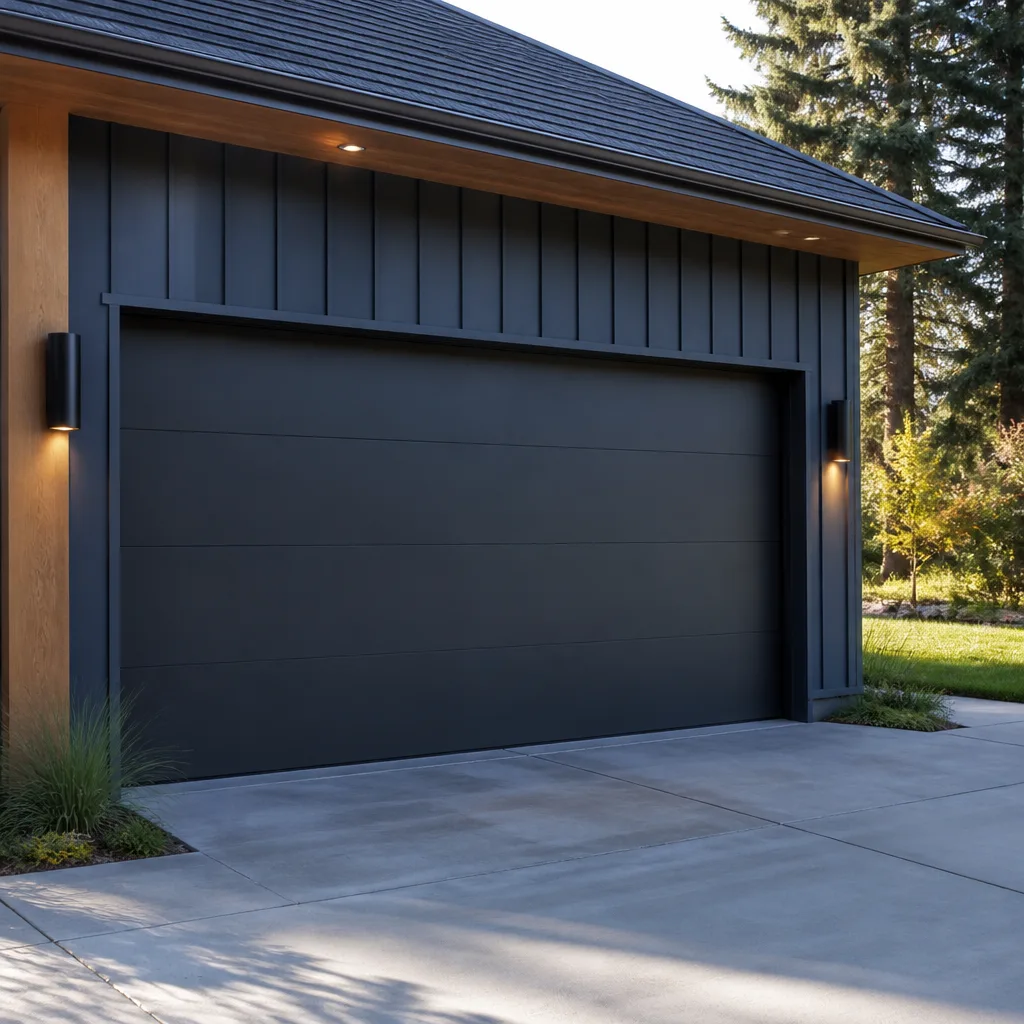 Modern flush
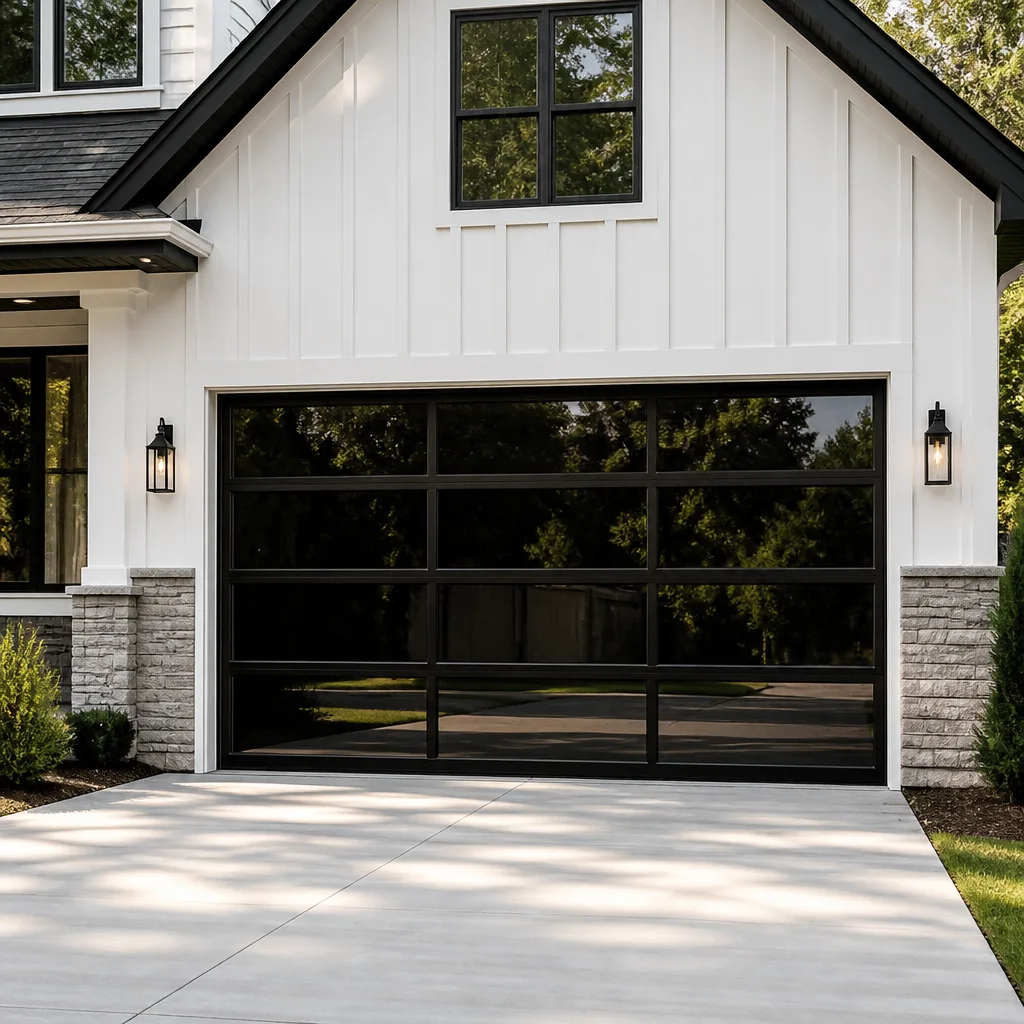 Full-view glass
 LiftMaster openers
 Chamberlain openers
Full 25-point door and opener safety check with every visit - springs, cables, rollers, tracks, and your LiftMaster or Chamberlain opener included
You get a price before we start. It does not change when the pro arrives.
Get your free estimateSeasonal Garage Door Care for Arlington: Year-Round Homeowner’s Guide
Most seasonal garage door advice was written for a climate that Arlington doesn’t have. The familiar rhythm – a deep check in fall, a lighter one in spring, a vague warning about “winterizing” – assumes long stretches of steady cold and dry air. Arlington gives you the opposite: humid summers that push above 80% for days at a time, winters that freeze and thaw and freeze again, and a few weeks each April when oak pollen settles into every moving part like grinding paste. A door that’s fine under generic advice can still fail here in July or January. This guide replaces the four-season script with a month-aware care rhythm built for what Arlington weather actually does to garage hardware, from spring tension to photo-eye sensors.
Quick Answer
Garage door care in Arlington works best on a month-by-month rhythm rather than four generic seasons: clean and test in March before pollen peaks, watch for humidity-driven corrosion in July and August, prep for freeze-thaw cycles in November rather than deep cold, and lubricate and balance-check in October before the first hard freeze. The single highest-value task most homeowners skip is a fall balance and lubrication pass, which prevents the most common January emergency call in this region – a door that binds or reverses in cold weather. The door itself, its springs, rollers and opener are all part of the same system, and each component reacts differently to Arlington’s swings.
Styles & brands we work with
- Raised-panel steel
- Carriage house
- Modern flush
- Full-view glass
- LiftMaster openers
- Chamberlain openers
Table of Contents
- Why Arlington’s Climate Is Hard on Garage Doors
- The Arlington Month-by-Month Care Calendar
- The April Pollen Problem: Sensors, Rollers and Track
- Summer Humidity: What It Does to Springs and Hardware
- Winter Prep for Freeze-Thaw, Not Deep Cold
- The Fall Task That Prevents Most January Emergency Calls
- Five Checks You Can Do in Ten Minutes
- Common Mistakes to Avoid
- When to Call a Professional
- Frequently Asked Questions
Why Arlington’s Climate Is Hard on Garage Doors
Garage doors sit in a narrow band of conditions most people never think about. They face the same outdoor air as the house but without the insulation, vapor barrier or climate control that protects the rest of it. In Arlington that means a door and its hardware run through four distinct stress patterns a year, and each one attacks a different part of the system.
Spring brings pollen. The county and its surrounding streets are lined with mature oaks, and the April pollen release coats every horizontal surface, including the top of your door and the roller tracks. Pollen is abrasive when it works into grease. Through summer, relative humidity routinely climbs above 80% on the worst days, and that moisture sits on bare steel. Winters here are not the long, steadily cold stretches you’d get further north; they’re freeze-thaw cycles, where daytime melt and overnight refreeze push water into seams, gaskets and the bottom seal. Fall is the window between the two, and it’s the best time to get ahead of winter.
Arlington’s housing stock adds its own wrinkle. Many homes here have attached garages under or beside living space, so a door that sticks or reverses isn’t only a parking problem – it’s a wall of the house that isn’t sealing. Detached garages on older lots have their own issues, often uninsulated and more exposed to humidity swings. Neither situation needs different hardware, but both reward the same care rhythm, applied on schedule rather than by memory.
The system that moves the door is the part most affected. Torsion springs hold enormous stored energy, rollers ride on tracks that expand and contract, and the opener’s sensors and logic board are sensitive to dirt and moisture. You’ll get the most out of any brand you own – whether that’s a Clopay door or a LiftMaster operator – by treating the whole assembly as one system and checking it on the same schedule every year.
The Arlington Month-by-Month Care Calendar
A calendar beats a checklist because it tells you when, not just what. The dates below reflect how Arlington weather typically progresses; adjust a week or two either way for a given year, but keep the order. This is the rhythm we recommend to homeowners who want to stay ahead of failures rather than react to them.
- March – pre-pollen cleanup. Wipe down the tracks, clean the photo-eye lenses, and clear any grit before the oak pollen arrives. A clean surface means less abrasive paste when pollen lands.
- Early April – pollen watch. Check the sensors and rollers every two weeks through mid-April. This is the peak window for no-open failures (more on that below).
- May – balance and lubrication. Once pollen season passes, lubricate rollers, hinges and the spring with a garage-door-rated lubricant, and do a balance test: pull the manual release and lift the door halfway. It should hold.
- June – hardware inspection. Look at hinges, brackets and the bottom seal for loose fasteners and early corrosion. Tighten, clean, and note anything that looks pitted.
- July and August – humidity checks. Inspect bare-steel parts for rust bloom. Wipe and re-lubricate more often than you would in a dry climate.
- September – opener review. Test the safety reverse, check the sensor alignment, and clear any debris from the opener’s travel path.
- October – the big fall pass. This is the most important month: full lubrication, balance check, weatherstripping inspection, and tightening every nut and bolt you can safely reach.
- November – freeze-thaw prep. Confirm the bottom seal is pliable and sealing, check the threshold, and make sure the door closes flush against it. This is where you head off drafts and cold-weather binding.
- December through February – light monitoring. Listen for new noises, watch for reversal on cold mornings, and keep the tracks clear of road salt and grit.
If you only do four things all year, make them the March cleanup, the May lubrication and balance test, the October pass, and the November seal check. Everything else is a refinement. Homeowners across Arlington who follow roughly this schedule tend to catch small problems before they become emergency calls.
The April Pollen Problem: Sensors, Rollers and Track
If you had to pick the single month when garage doors fail most often in Arlington, it would be late March into early April, and the culprit isn’t cold weather. It’s pollen. Oak pollen is fine, sticky and plentiful, and once it mixes with lubricant on rollers or settles on a photo-eye lens, you get a door that either grinds on its way up or refuses to close because the sensor can’t see across the opening. This is the pattern that catches homeowners off guard, because it doesn’t look like a mechanical failure.
The photo-eye sensors are the first to complain. They sit low on each side of the opening, aimed at each other, and they exist to reverse the door if something crosses the beam. A film of pollen on either lens is enough to scatter the beam and trigger a false obstruction. The door goes down a foot and comes back up. It looks like a sensor fault, and it is – but the fix is often just cleaning, not repair.
The rollers and track are the second weak point. Pollen on a greased roller becomes an abrasive paste that speeds wear on the bearing and the track. The symptom is noise first, then roughness, then a door that binds. You can slow this down with a simple routine.
- Wipe the photo-eye lenses with a soft, dry cloth every two weeks through April.
- Vacuum or brush the tracks rather than spraying them – solvents can strip the lubricant you’ll want later.
- Re-lubricate rollers only after a good cleaning, not on top of the grit.
- Run the door a few cycles after cleaning and listen for changes in sound.
By mid-May the pollen has mostly passed. If a door is still grinding after a proper clean and lube, that’s usually a sign the rollers are worn and need replacement, which is a straightforward repair. It’s also the moment to check the opener’s force settings if the door has been working harder than usual through April. If the door still misbehaves after cleanup, our garage door repair team can diagnose it quickly.
Summer Humidity: What It Does to Springs and Hardware
Arlington summers push relative humidity above 80% on the muggiest days, and that sustained moisture changes how fast bare steel corrodes. Torsion springs, hinges, brackets and the bottom of the tracks are the parts most exposed. A torsion spring is under tension its whole life, and corrosion on the coil is more than cosmetic: it creates stress points and shortens the spring’s working life. You won’t usually see it fail in July – the failure tends to show up later, when a weakened spring finally gives – but summer is when the damage accumulates.
Here’s what to watch for as the season wears on:
- Rust bloom. A light orange haze on the spring coil, hinges or lower track is early corrosion. Wipe it and apply a garage-door-rated lubricant.
- Stiff operation. A door that feels heavier or slower than it did in spring may be fighting friction, not a failing opener.
- Gaps at the bottom seal. Humidity can warp wood thresholds and soften rubber seals. Check that the door still seals flush.
- Opener strain. If the opener sounds labored, stop and have the door checked rather than turning up the force setting.
Air conditioning in an attached garage, or the lack of it, changes the picture too. A conditioned garage stays drier and the door lasts longer between lubrications; an unconditioned one needs more frequent attention. Either way, summer is the right time to lubricate more, not less, because the lubricant is what stands between bare steel and the moisture in the air.
One important safety note: torsion springs store a large amount of energy and are under tension even when the door is closed. Do not attempt to adjust, unwind or replace a spring yourself. Corrosion is something you can spot and slow down; spring work is a job for a trained technician. Spring repair is the part of the trade where mistakes cause serious injury, which is why we handle it as a specialty rather than a routine repair. If you suspect a spring is weakening in the summer heat and humidity, call for an inspection rather than testing it yourself.
Winter Prep for Freeze-Thaw, Not Deep Cold
Arlington winters are a story of repeated freeze-thaw cycles rather than sustained cold. That matters for two reasons. First, water works its way into seams, seals and gaps during the day and freezes overnight, which slowly opens up clearances and stiffens rubber. Second, the door faces a wider temperature swing in a day than a door in a colder climate faces in a month. Preparing for the wrong kind of winter wastes effort.
Here’s what’s worth doing in November, roughly in order of value:
- Check the bottom seal. A pliable, well-fitting bottom seal is the most important winter item. If it’s cracked or hard, it won’t seal against the threshold and lets cold air and moisture in.
- Inspect and lubricate moving parts. Cold makes stiff parts stiffer. Fresh lubricant on hinges, rollers and the spring helps the door run smoothly through cold snaps.
- Test the safety reverse. Do it before the first freeze so you know the opener is operating correctly when conditions are toughest.
- Tighten fasteners. Expansion and contraction loosens bolts over a winter. A quick pass with a wrench in November prevents rattles and misalignment later.
- Clear the threshold and track. Road salt and grit carried in on tires can build up at the base and in the tracks. A clean threshold keeps the door closing flush.
What you don’t need in Arlington is the heavy “winterizing” some guides suggest – extra insulation batts, specialized cold-weather treatments, or wrapping hardware in plastic. Those measures are for a different climate. Here, the freeze-thaw pattern rewards a good seal and free-moving parts more than extra insulation.
If your door uses a Genie or Chamberlain opener with cold-sensitive logic, a stiff door in January will strain it more than the temperature itself. The fix is getting the hardware moving freely, not replacing the opener. When a door reverses or sticks on a cold morning, that’s a signal to check the door’s balance and seal, not a sign the opener has failed.
The Fall Task That Prevents Most January Emergency Calls
The single task most homeowners skip in fall is a proper balance check combined with lubrication. Skip it, and you head into winter with a door that’s slightly out of balance or slightly dry, and cold weather magnifies both problems. That’s the most common January emergency call in this region: the door reverses on closing, sticks halfway, or strains the opener and trips it – and it’s almost always traceable to a fall that passed without that check.
Here’s how to do the fall pass yourself, and when to stop and call.
- Disconnect the opener. Pull the manual release so you’re testing the door, not the motor.
- Lift the door halfway and let go. A balanced door holds its position. If it drops or rises on its own, the springs need attention – stop there and call a technician.
- Lubricate. Apply a garage-door-rated lubricant to rollers, hinges, the spring coil and the pivot points. A light coat, not a heavy one.
- Check the bottom seal and threshold. Replace a hardened or cracked seal before the first freeze.
- Tighten hardware. Brackets, hinges and track bolts. Don’t over-tighten track bolts that are meant to allow some movement.
- Reconnect and run a full cycle. Watch for smooth travel, listen for new noise, and confirm the safety reverse works with an obstruction test.
The balance check is where people get stuck. If the door doesn’t hold its position, the problem is in the spring system, and that’s not a do-it-yourself job. Our garage door spring repair service is built around exactly this scenario – a door that’s drifted out of balance and needs a trained eye, well before it fails outright on a cold morning. Doing this pass in October means a weak spring is caught in comfortable weather, not in January with your car stuck inside.
Five Checks You Can Do in Ten Minutes
Between the seasonal milestones, a short routine keeps small problems from growing. These five checks take about ten minutes and don’t require any tools beyond a cloth and a glance. Do them on the first of each month and you’ll be well ahead of most homeowners in Arlington.
- Visual sweep. Walk around the door and look at the tracks, hinges, spring and bottom seal. You’re looking for rust, loose bolts and wear.
- Photo-eye test. With the door closing, pass something through the beam. It should reverse immediately. Clean the lenses while you’re there.
- Obstruction test. Place a small object on the floor where the door will meet it. The door should reverse on contact. If it doesn’t, the opener needs adjustment or service.
- Noise check. Listen as the door runs. New squeaks, grinding or a hollow thud are early warnings worth acting on.
- Track wipe. A dry cloth on the tracks removes grit before it becomes a grinding paste on the rollers.
These checks are how you spot a developing issue before it turns into a no-open day. They’re also how you decide whether you need a repair at all. If the door runs quietly, holds its balance and reverses properly, there’s nothing to fix this month.
Our technicians have up to 12 years of experience working on the brands homeowners actually own – LiftMaster and Chamberlain openers, Clopay and Genie doors among them – which means a monthly check that turns into a repair call usually means one visit, not a guessing game about which part is at fault. That’s the advantage of working with a team that knows your specific equipment rather than trying to sell you something new. For a closer look at opener-specific issues, our garage door opener repair page covers the sensor, logic board and force-setting problems that come up most often.
Common Mistakes to Avoid
- Treating spring as a generic season. Arlington’s worst garage-door month is often April because of oak pollen, not winter cold. A guide that only tells you to “winterize” misses the season that actually causes the most no-open calls here, so build the pollen cleanup into your routine rather than waiting for fall.
- Lubricating dirty parts. Applying fresh grease on top of pollen, grit or rust locks the abrasive material in place and wears rollers faster. Clean first, then lubricate, every time.
- Turning up the opener’s force setting to fix a sticking door. That hides a balance or hardware problem behind more power and strains the opener. Fix the door, don’t compensate for it, or you’ll be calling for garage door opener repair sooner than you should.
- Assuming winter needs heavy insulation. Arlington’s challenge is freeze-thaw, not deep sustained cold. Extra insulation alone won’t stop a hardened bottom seal from leaking, and a good seal matters more than insulation here.
- Skipping the fall balance check. It’s the task people leave out, and it’s the one that prevents the most common January emergency. If the door doesn’t hold halfway, get it checked before winter.
- Ignoring humidity in summer. A little rust on the spring coil in July is an early warning. Wiping and lubricating keeps it from becoming a weakened spring that fails in a colder month.
- Taking on spring work yourself. Torsion springs are under high tension and can cause severe injury. Inspect and lubricate on your own, but leave spring adjustment and replacement to a trained technician – our garage door spring repair service exists for exactly that reason.
When to Call a Professional
Some issues are within reach of a homeowner with a cloth, a wrench and a lubricant. Others aren’t, and it’s worth knowing where the line is. Call a professional when the door doesn’t hold its balance at the halfway point (a sign of spring trouble), when it reverses without an obstruction, when the opener strains or trips on a cold morning, when the track is visibly bent or misaligned, or when the door is making grinding or scraping noises that cleaning and lubrication don’t fix. Any spring or cable problem, and any work on electrical wiring or opener components, should go to a trained technician for safety reasons.
If your door is stuck open overnight or a broken spring has your car trapped inside, our emergency service exists for exactly that – it’s treated as a genuine urgency, not a routine appointment. And if you’re weighing repair versus replacement, we’ll tell you which makes sense for the door and opener you already own rather than pushing a new install you don’t need. Gaines Garage Door Repair offers free estimates in Arlington – call (877) 745-1385.
Frequently Asked Questions
Do a full maintenance pass twice a year and a ten-minute monthly check in between. In Arlington, that means a thorough cleanup and lubrication in spring before pollen peaks, a full pass in October, and a bottom-seal and hardware check in November before the first freeze. The monthly checks catch changes early; the seasonal passes address the bigger pieces.
Oak pollen is the usual reason. A fine, sticky layer of pollen on the photo-eye lenses scatters the beam and the door reverses before it closes, and pollen on greased rollers becomes an abrasive paste that speeds wear. Cleaning the lenses and tracks every two weeks through April prevents most of these failures. Call (877) 745-1385 if the problem persists after a proper clean.
Yes – prepare for freeze-thaw cycles, not sustained cold. The most valuable winter prep in Arlington is a pliable, well-sealing bottom seal, lubricated moving parts and tightened hardware. You don’t need the heavy insulation measures written for colder climates; the repeated daytime melt and overnight refreeze is what stresses hardware here.
Sustained humidity above 80% on the muggiest days accelerates corrosion on bare steel. Torsion springs and hinges are the most exposed. Wiping a light rust bloom and re-lubricating slows it down, but a spring that’s weakened from corrosion needs professional inspection – don’t test it yourself, because springs are under high tension.
Usually not, but it’s a signal worth acting on. A door that reverses or sticks in cold weather is often out of balance or needs lubrication, and the opener is straining to compensate. Check the balance test in a safe, warm moment; if it doesn’t hold halfway, call for service before the next cold snap. Call (877) 745-1385 to book a look.
A balance check combined with lubrication. Disconnect the opener, lift the door halfway, and see if it holds. If it drops or rises on its own, the springs need attention. Doing this in October catches balance problems in comfortable weather and prevents the most common January emergency call in this region.
The Bottom Line
Arlington’s garage doors don’t fail on a four-season schedule – they fail on a Mid-Atlantic one. Pollen in April, humidity in July and August, and freeze-thaw in November drive the failures you’re most likely to see. Build a month-aware routine around those realities: a pre-pollen cleanup in March, a May lubrication and balance check, a serious fall pass in October, and a seal check in November. Do the ten-minute monthly checks between them, clean before you lubricate, and never touch a torsion spring yourself. Get those pieces right and the door you have – whatever brand it is – will keep working reliably through every season Arlington throws at it. For a closer look at the full range of work we handle, visit Gaines Garage Door Repair.
If your door is due for a seasonal check or something’s already acting up, call Gaines Garage Door Repair at (877) 745-1385 for a free estimate. We diagnose the actual problem before recommending any work, and the price is quoted and agreed before anything starts.
Written by the team at Gaines Garage Door Repair.
See the difference
 Before
 After
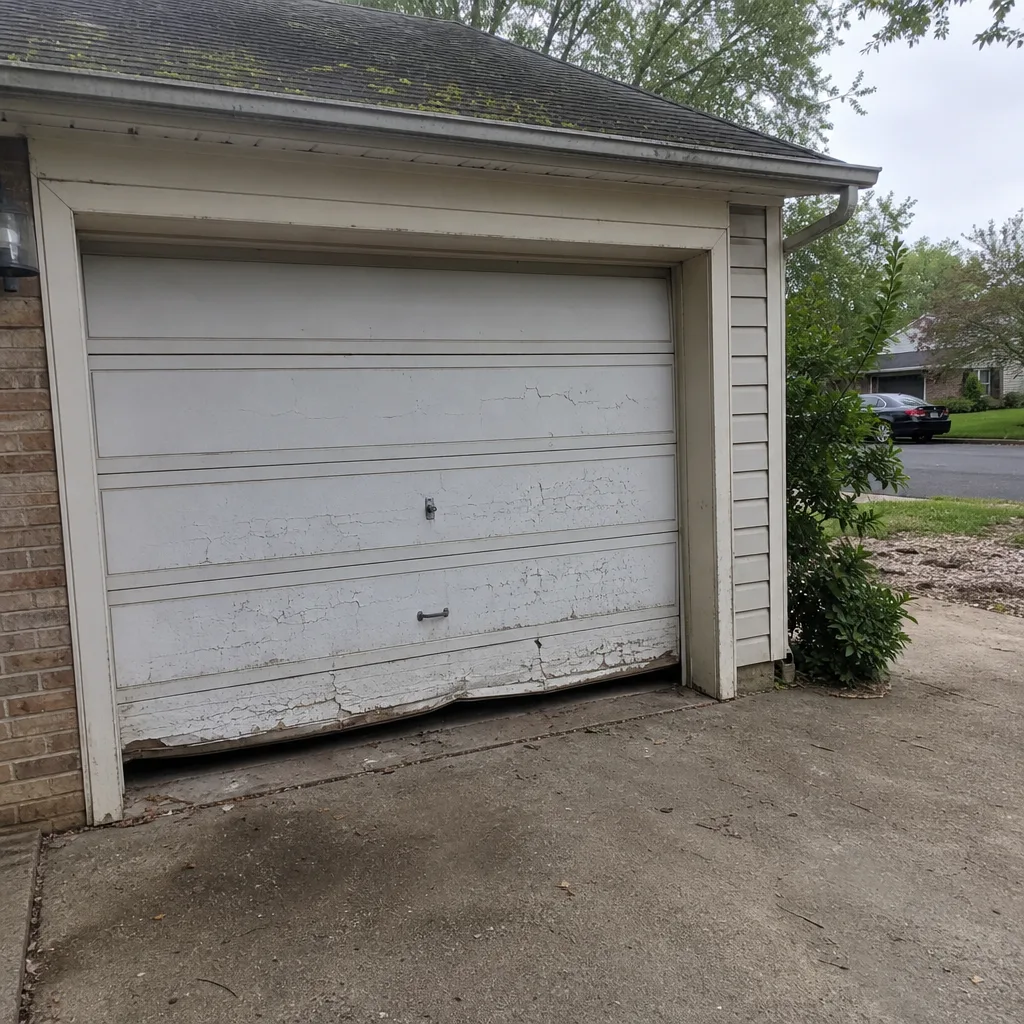 Before
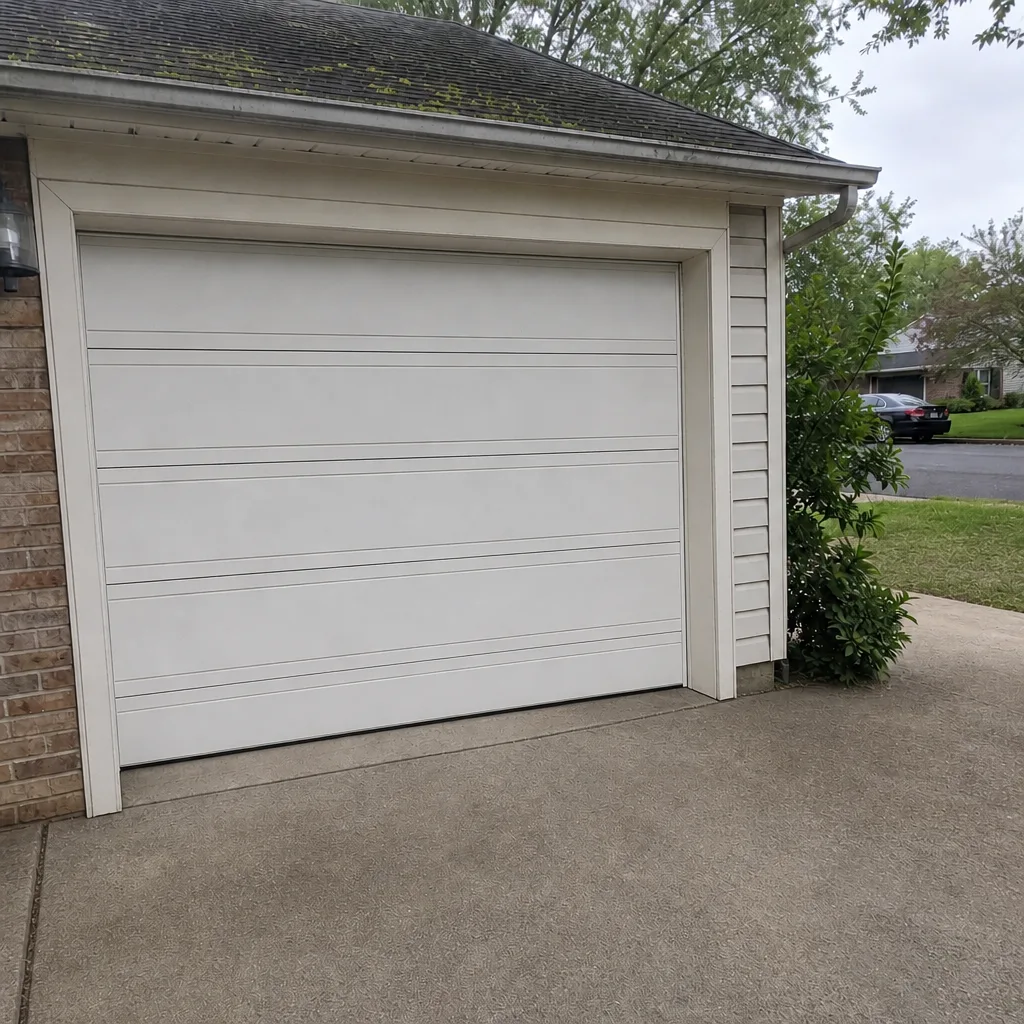 After
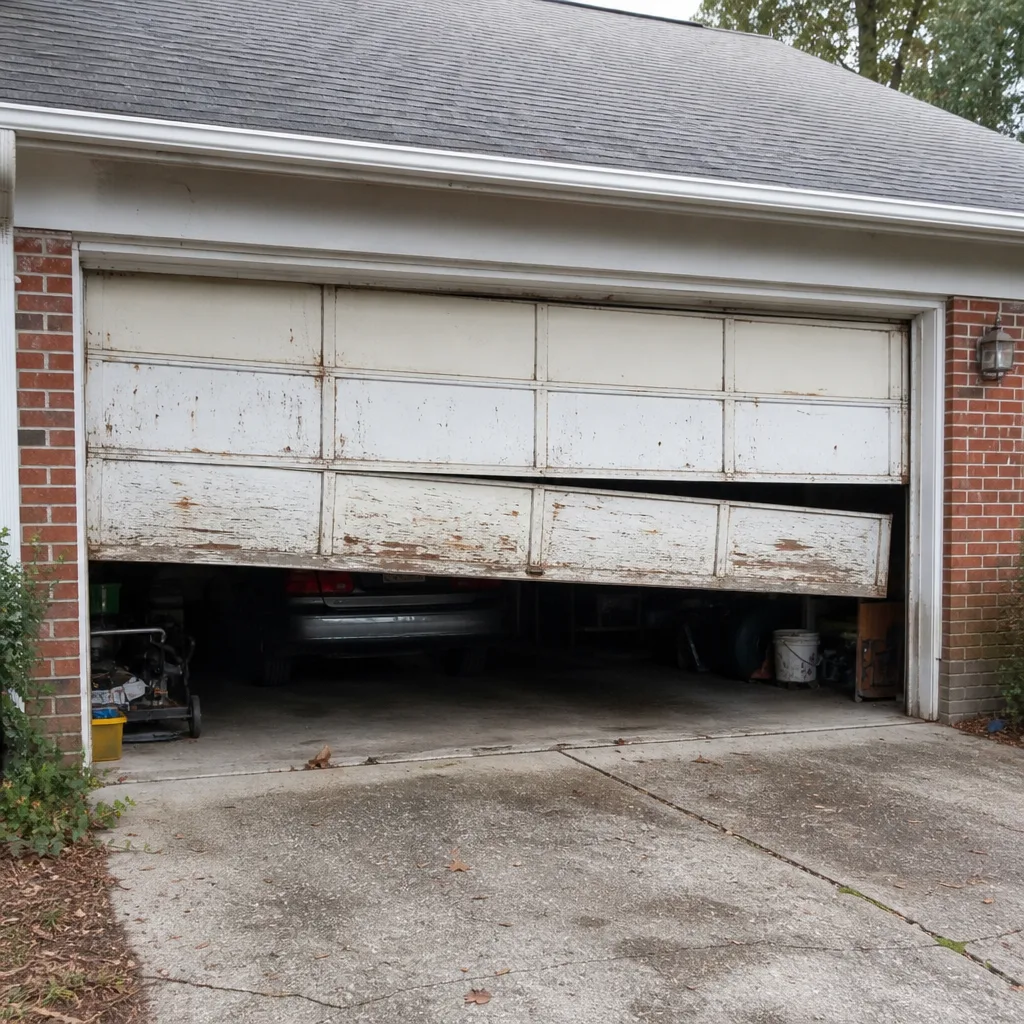 Before
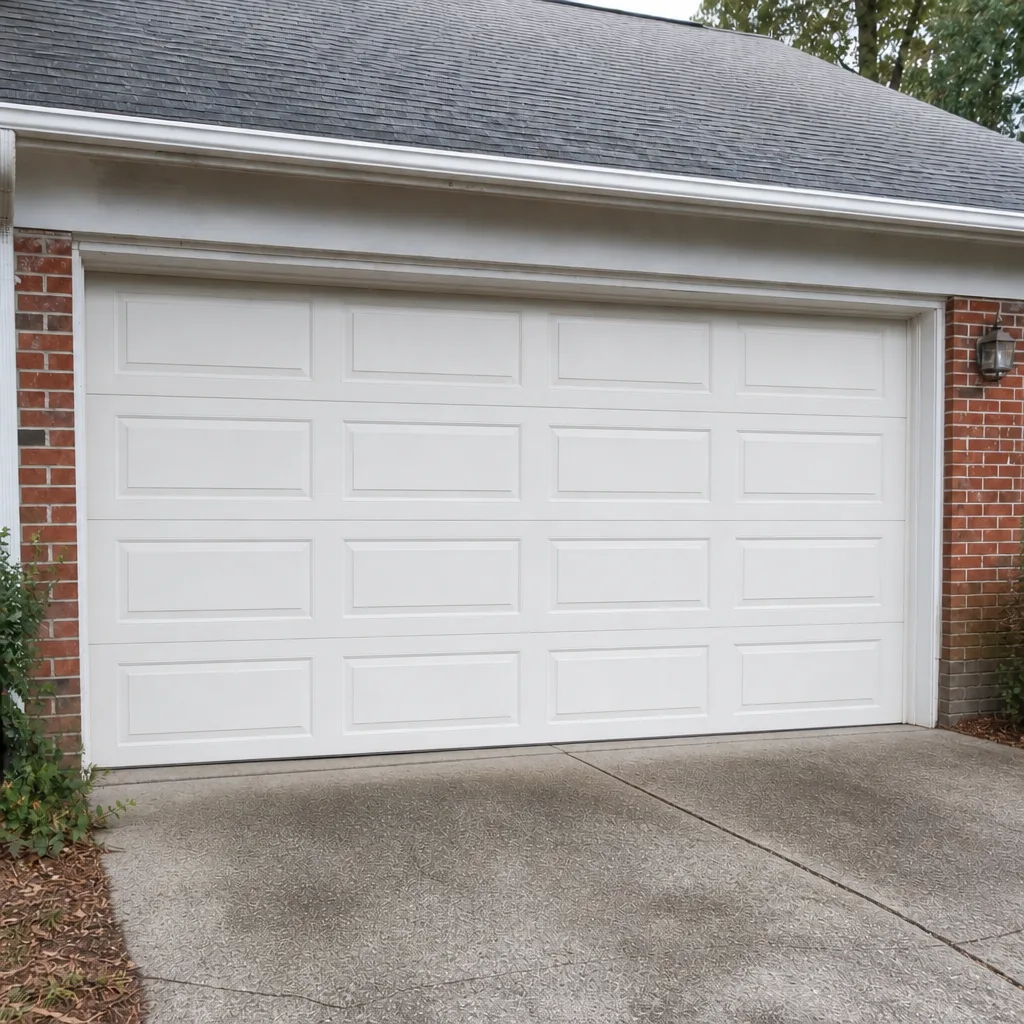 After