Last updated November 21, 2026
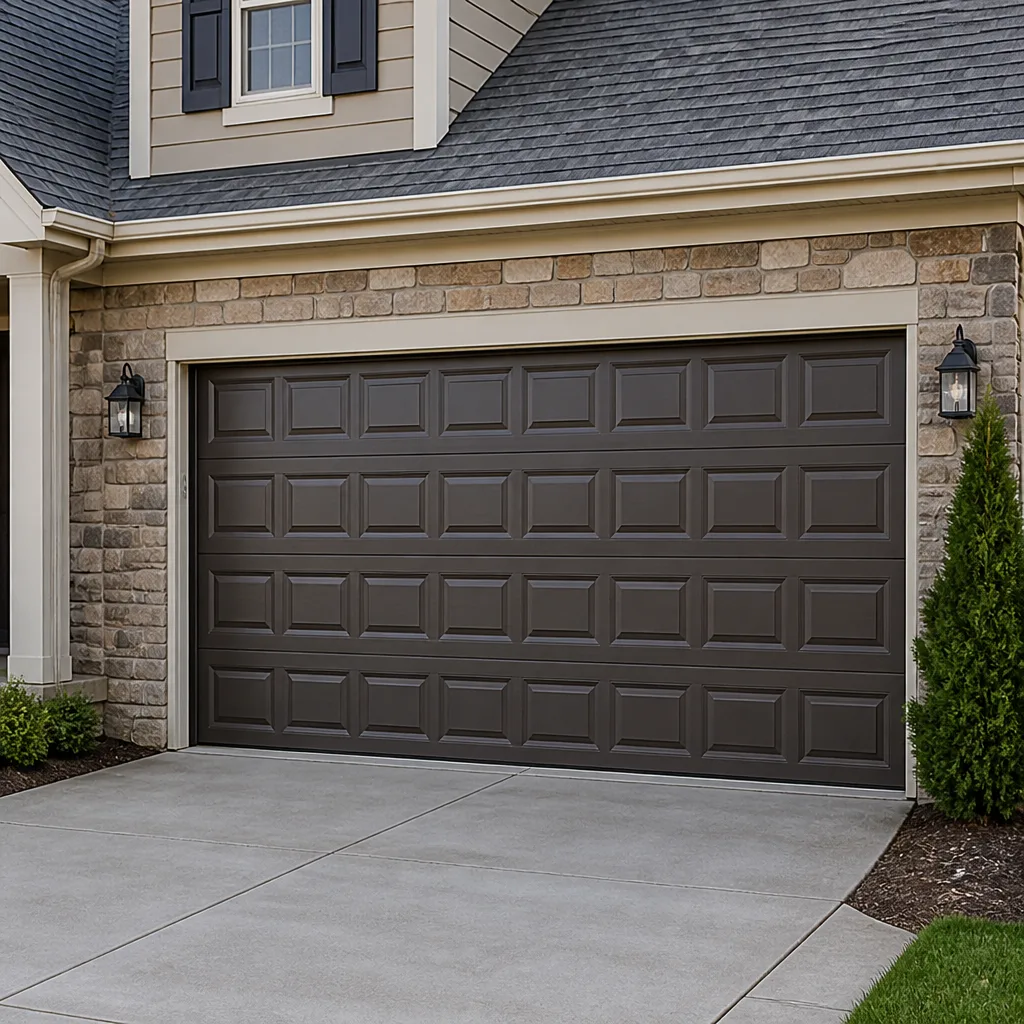 Raised-panel steel
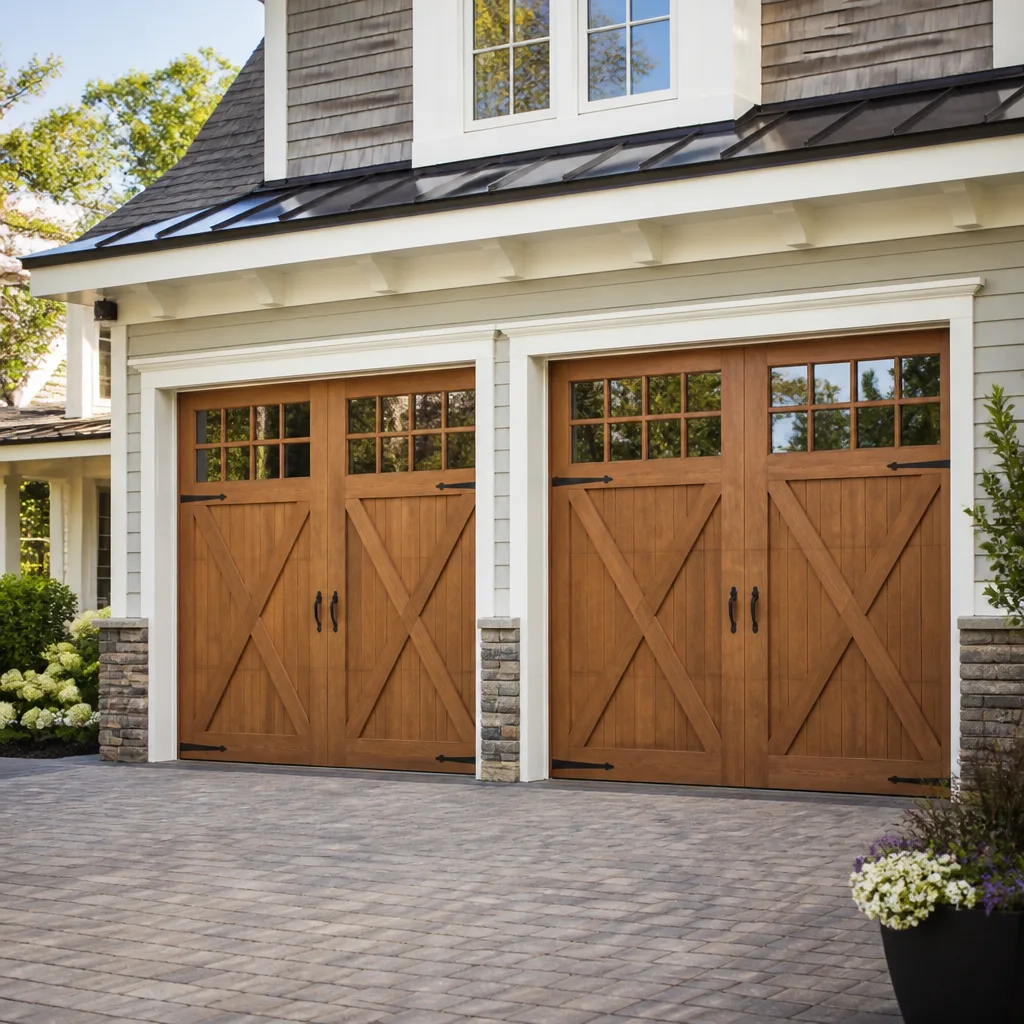 Carriage house
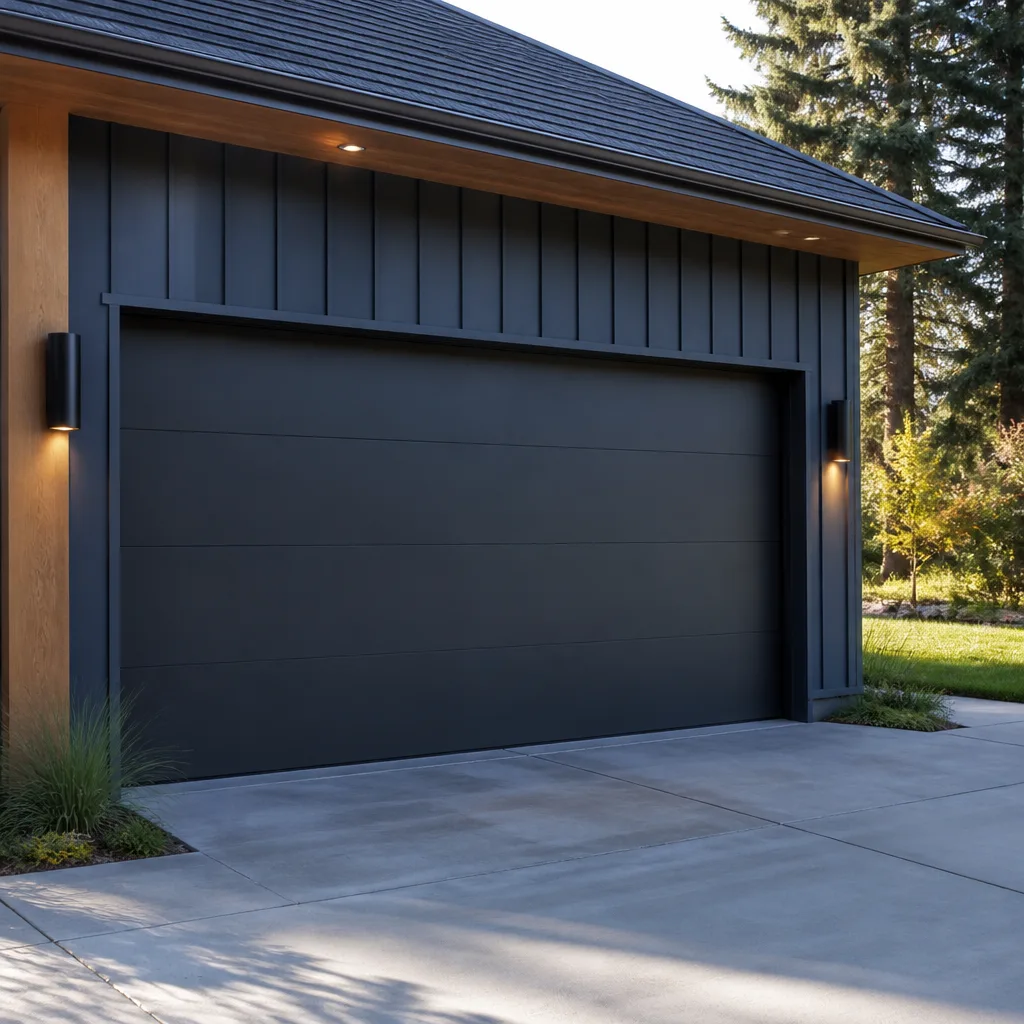 Modern flush
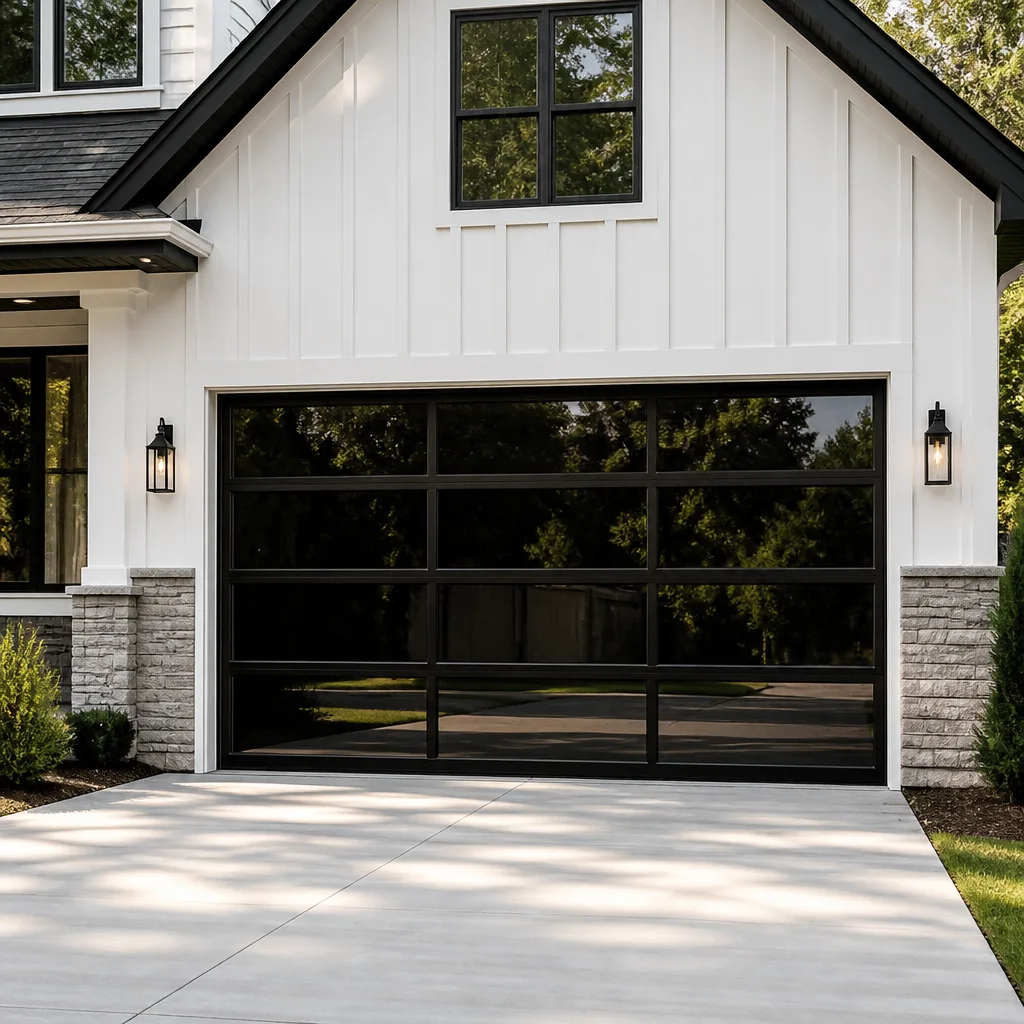 Full-view glass
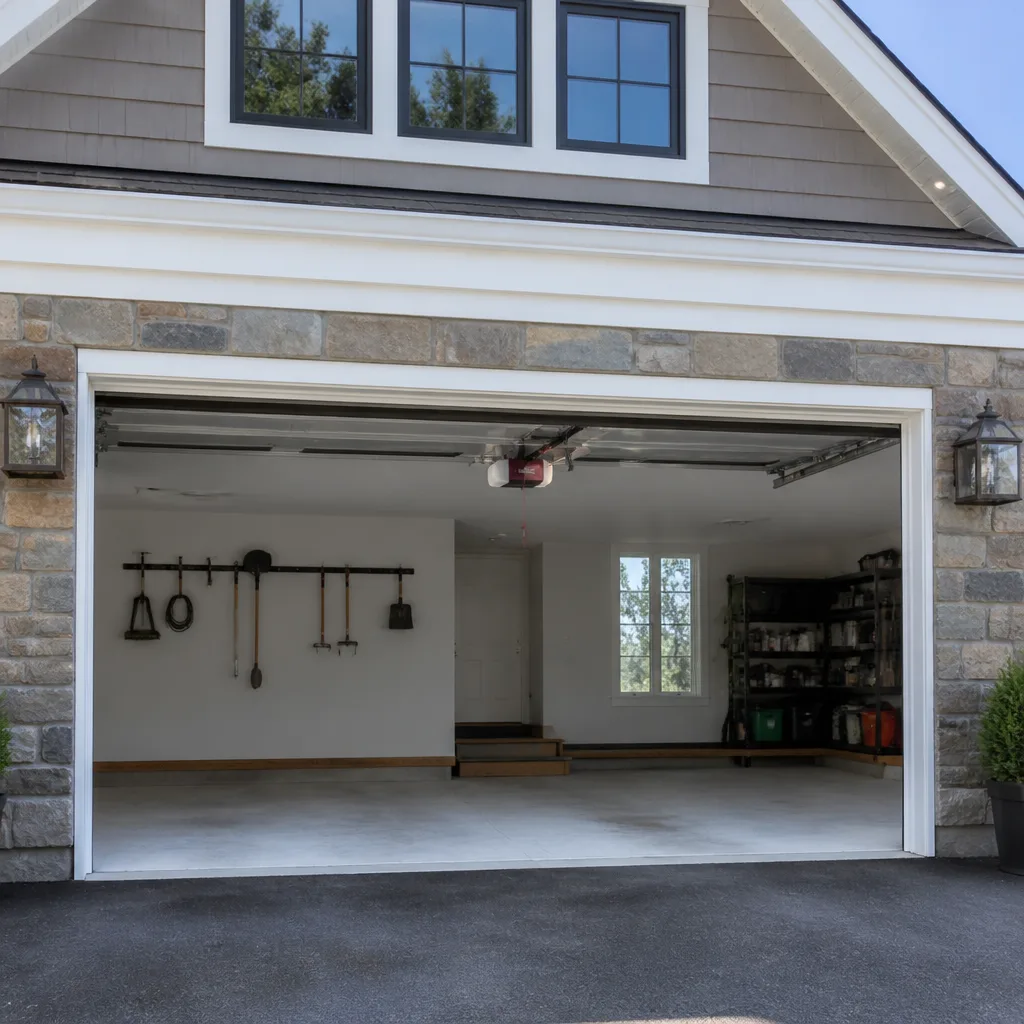 LiftMaster openers
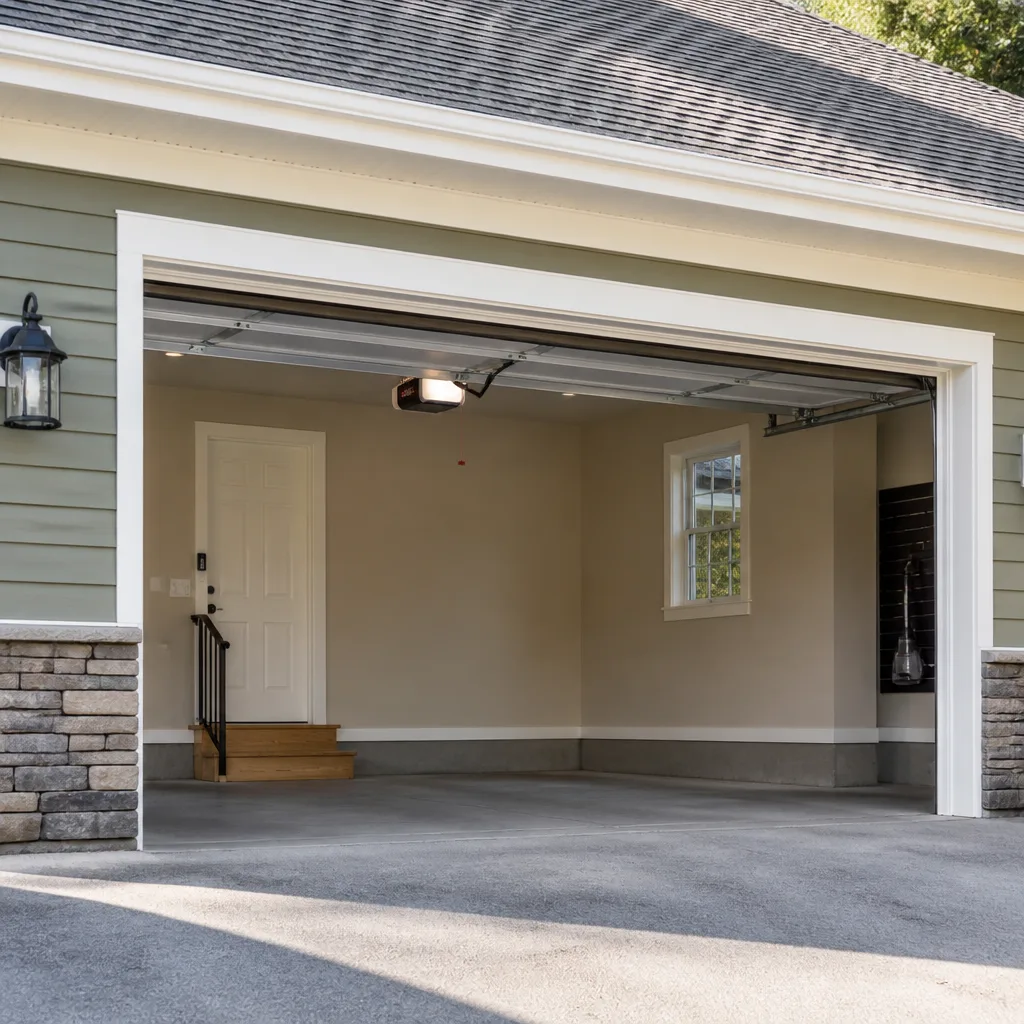 Chamberlain openers
Full 25-point door and opener safety check with every visit - springs, cables, rollers, tracks, and your LiftMaster or Chamberlain opener included
You get a price before we start. It does not change when the pro arrives.
Get your free estimateHow to Hire a Garage Door Contractor in Arlington: A Step-by-Step Guide
Asking a garage door contractor “are you licensed?” in Virginia is almost useless. The state doesn’t issue a garage door-specific license, so the question every Arlington homeowner leans on first is the one that tells them the least. What matters more is whether the contractor holds the right class of contractor license, carries proper coverage, and can show you how they troubleshoot before they ever quote you a spring. In this guide we’ll walk through Virginia’s licensing structure, the five diagnostic questions that expose a guesser, how to read an estimate line by line, the upsells you’re likely to hit in Arlington, and a reference-check script that surfaces problems a five-star review never will. The goal is a confident hire, not a cautious one.
Quick Answer
To hire a garage door contractor in Arlington, verify the contractor’s Virginia contractor license class and coverage, confirm they know your door and opener brand, ask diagnostic questions that require real troubleshooting rather than a guess, and get a written, itemized estimate before any work starts. The best contractors welcome the questions, explain their reasoning, and quote springs, openers and labor separately. A specialist who works on the equipment you already own, rather than steering you toward a replacement, is the one worth your money.
Styles & brands we work with
- Raised-panel steel
- Carriage house
- Modern flush
- Full-view glass
- LiftMaster openers
- Chamberlain openers
Table of Contents
- What Does Virginia Actually Require of a Garage Door Contractor?
- The Five Diagnostic Questions That Reveal a Real Troubleshooter
- How to Read a Garage Door Estimate Line by Line
- The Upsell Patterns Arlington Homeowners Encounter Most
- The Reference-Check Script That Surfaces Real Problems
- How Arlington’s Climate and Housing Shape the Job
- A Step-by-Step Hiring Checklist
- Common Mistakes to Avoid
What Does Virginia Actually Require of a Garage Door Contractor?
Virginia regulates contractors through the Virginia Department of Professional and Occupational Regulation, known as DPOR. It doesn’t issue a “garage door” license. Instead, it licenses contractors by project value and type, and garage door installation or repair falls under that umbrella when the work crosses the threshold for a licensed trade. That’s the first thing Arlington homeowners should understand: the absence of a garage door-specific license doesn’t mean there’s no licensing to check. It means you check a different thing.
Here’s what to verify.
- Class of license. Virginia issues Class A, Class B and Class C contractor licenses, tiered by the value of the projects a contractor may take on. A contractor working on larger jobs needs the higher class. Ask which class they hold and whether it covers the scope of your job.
- License status. DPOR maintains a public license lookup. Confirm the license is current, not expired or suspended, and that the name on the license matches the company quoting you.
- Coverage. Ask for the certificate of insurance. The local pro should be licensed and insured as Virginia requires. If they can’t produce a certificate, that’s your answer.
- Written contract. Virginia requires a written contract for many home improvement jobs above a set dollar amount. Ask for one, and read it before you sign.
We connect Arlington homeowners with independent local professionals who perform the work, and every pro is vetted for current licensing and insurance. That matters here because the license class is your first filter, not the “are you licensed?” yes-or-no. If a contractor gets cagey when you ask which class of license they hold, you’ve learned something important without spending a dollar.
The Five Diagnostic Questions That Reveal a Real Troubleshooter
Where generic handymen guess, a specialist diagnoses. The difference shows up in how they respond to questions about your specific door, opener and symptom. Ask these five before anyone quotes you a price. A genuine troubleshooter answers each one with reasoning; a guesser deflects, generalizes, or jumps straight to a replacement quote.
- “What brand and model is my door and opener, and how does that change your approach?” A specialist who works on LiftMaster, Chamberlain, Genie, Raynor and the other major brands will recognize yours and talk about what’s specific to it. If they can only speak in generalities, they’re not familiar with your equipment.
- “Is it the spring, the opener, or something else, and how can you tell?” A snapped torsion spring and a failing opener can produce a similar symptom (the door won’t open). A real troubleshooter separates them with a few checks and tells you why. If they name a cause before they’ve looked, they’re guessing.
- “Will you test the door’s balance and safety reverse before you call it fixed?” Any proper repair ends with a balance check and a safety-reverse test. Ask whether they’ll do both and walk you through the result. Their answer tells you whether they finish the job or just make the door move.
- “If it’s one spring, will you quote one spring or a pair?” Springs are usually replaced in matched pairs because they wear together. A contractor who explains the pair-versus-single decision, and prices each honestly, is being straight with you.
- “Can you give me the price in writing before you start?” The written estimate sets the final price. A troubleshooter who is confident in the diagnosis has no problem putting a number down first.
None of these require technical knowledge from you. You’re listening for reasoning, specificity, and a willingness to explain. In Arlington, where many homes sit on tight lots with single-car garages and low clearance, the details matter even more, and a contractor who asks about clearance and headroom before quoting is one who’s actually thinking about your door.
How to Read a Garage Door Estimate Line by Line
A garage door estimate should be itemized enough that you can see what you’re paying for and why. When everything is bundled into a single number, you can’t tell whether the spring is priced fairly, whether labor is padded, or whether a “replacement” crept in that you didn’t ask for. Here’s how to read one.
- Parts, by line. Springs, cables, rollers, hinges, opener and any other component should each appear with its own price. A single “repair – $X” line hides the parts.
- Labor, separately. Labor can be its own line or folded into part of the itemized price, but it should be visible. Bundled labor that you can’t separate is a red flag.
- Spring count explicitly stated. A spring price is for one spring. If the estimate doesn’t say whether you’re getting one or a matched pair, ask. A pair typically runs about twice a single spring, and you should know which you’re buying before you approve it.
- Brand of parts named. An estimate that names the opener or door brand (LiftMaster, Chamberlain, Genie, Clopay) is the estimate of a contractor who knows your equipment. Vague “high-quality parts” language isn’t.
- No surprise line items after the fact. The written quote is the price. If a contractor “discovers” something mid-job and the number climbs, the estimate wasn’t honest to begin with.
Read the estimate for what’s missing as much as what’s there. If a door repair estimate arrives without any mention of a safety check, that’s a gap. If a spring replacement arrives without a spring count, that’s a gap. The itemized estimate is your protection, and a contractor who wants your business will hand it over before the work begins. When you’re ready for a written number on your door, you can request garage door repair priced per job with an estimate up front.
The Upsell Patterns Arlington Homeowners Encounter Most
Not every upsell is dishonest, but the pattern is worth recognizing so you can evaluate each on its merits rather than on the pressure of the moment. In our experience, three come up again and again on garage door jobs in Arlington.
Spring “upgrades”
A spring replacement quote sometimes comes with an offer to “upgrade” to a heavier-duty or “lifetime” spring. Sometimes that’s a real choice with a real tradeoff, and sometimes it’s a way to move the price up. Ask what the upgrade actually changes: how many cycles the spring is rated for, and whether that rating matches how often you use your door. If the answer is vague, it’s an upsell.
Opener replacement on a repair
An opener that needs a small repair, like a logic board or a gear, sometimes gets quoted as a full replacement. Ask directly: can this be repaired, or does it genuinely need replacing? A specialist who works on your brand (Genie, Chamberlain, LiftMaster and the rest) can tell you the difference. If they won’t consider the repair, be skeptical.
“Lifetime” warranties
A “lifetime” warranty sounds impressive until you read what it covers. Ask for the warranty in writing, whether it’s parts-only or includes labor, who honors it (the manufacturer or the contractor), and what voids it. A labor warranty backed by the company doing the work is often worth more than a manufacturer parts warranty with a lot of exclusions.
The through line is simple: the right fix, not the easiest upsell. When a contractor explains the options and lets you choose, you’re working with someone who wants a returning customer, not a one-time sale. If a repair quote on a spring or opener is what you need, garage door spring repair is treated as a specialty here, and the price should reflect the actual repair, not a bundled replacement you didn’t ask for.
The Reference-Check Script That Surfaces Real Problems
Reading reviews is fine. Calling a former customer is better, and most contractors will provide references if you ask. The trick is knowing what to ask. A review tells you someone was happy; a phone call to a past customer tells you how the job actually went. Use these questions.
- “Was the price you were quoted the price you paid?” This is the single most revealing question. A slight difference for a genuine surprise is one thing; a jumped number is the pattern you’re checking for.
- “Did the contractor explain what was wrong, or just quote you a fix?” You’re listening for whether the diagnosis was explained, not delivered.
- “Was the work done on the day promised, and by the same person who quoted it?” A single-source contractor handles the job start to finish. If the person who quoted it disappeared and a subcontractor showed up, ask how that went.
- “Did they recommend anything you hadn’t asked about, and how did they handle it when you said no?” This surfaces the upsell pattern and how the contractor reacts to a firm no. A good one takes it gracefully.
- “Did they test the door and walk you through it before they left?” The final safety and balance check is where sloppy work shows up.
Ask two or three references and compare the answers. If they line up, you’ve got a confident hire. If one is wildly different, ask the contractor about it. The reference check is where the documented process pays off, and it’s the step most homeowners skip.
How Arlington’s Climate and Housing Shape the Job
Arlington’s weather is a real factor in garage door wear. The area sees hot, humid summers and cold winters that swing the temperature a lot across a year, and that cycle is hard on springs, cables and the moving parts on any door. Springs in particular fatigue with use and with temperature change, which is one reason they’re the most common failure. When you hire in Arlington, you’re hiring for a door that lives through those swings.
The housing stock matters too. Arlington has a lot of older single-family homes alongside newer infill, and many garages are compact, with tighter headroom and low clearance than you’d find in newer construction. That puts a premium on a contractor who measures your opening, checks the clearance and confirms the door will actually fit before quoting a replacement. A door that’s ordered without those checks comes back as the wrong door.
There’s also the practical reality of parking. Many Arlington homes have a single-car garage and a driveway that fills, so a door stuck open overnight (or a spring that won’t let the door open at all) blocks the car and leaves the house exposed. That’s why emergency garage door service is treated as a genuine urgency, not a routine appointment to be slotted in later. If your door fails, call rather than wait for a scheduled visit.
Factory-familiar service across the major brands matters here because Arlington’s housing stock spans decades. You’ll find LiftMaster and Chamberlain openers in newer homes, and older doors and openers of other makes still going strong. A contractor who knows the equipment you already have protects your investment instead of pushing a replacement.
A Step-by-Step Hiring Checklist
Here’s the whole process in order. Work through it and you’ll have a confident hire rather than a hopeful one.
- Confirm the license class and coverage. Ask which Virginia contractor license class the company holds, check it against DPOR’s public lookup, and request a certificate of insurance.
- Ask the five diagnostic questions. Listen for reasoning, brand familiarity, and a willingness to explain the diagnosis. Deflection or a guess is your signal to move on.
- Request a written, itemized estimate. Parts by line, labor visible, spring count stated, brands named. The price is quoted and agreed before any work starts.
- Evaluate any upsell on its merits. Springs, openers and warranties each have a real version and an inflated version. Ask what the upgrade changes and decide for yourself.
- Call two or three references. Use the script above and compare answers. This is the step most homeowners skip, and it’s the most valuable.
- Ask about emergency availability. If the door can’t wait, confirm the contractor treats a broken spring or a stuck door as a genuine urgency.
- Get the final price in writing before work starts. A single-source contractor handles the repair, the opener and the follow-up, so you’re not managing three companies.
Once you’ve cleared the checklist, the rest is straightforward. Our technicians have up to 12 years of experience, and they work on your brand rather than steering you to theirs. When you’re ready, you can begin with garage door opener repair or a full new installation, all handled under one name with no subcontracting maze.
Common Mistakes to Avoid
- Treating “are you licensed?” as the whole check. Virginia doesn’t issue a garage door license, so that yes-or-no tells you little. Ask about the contractor license class and the certificate of insurance instead.
- Accepting a bundled one-line estimate. A single “repair – $X” number hides the parts and the labor. Insist on an itemized estimate before you approve anything.
- Skipping the spring count. A spring price is for one spring, and a matched pair costs about twice that. If the estimate doesn’t say how many, you don’t know what you’re buying.
- Taking a contractor who only quotes replacement. If an opener or a spring that could be repaired is quoted only as a replacement, you’re paying for an upsell, not a diagnosis.
- Failing to confirm the door fits your garage. Arlington’s older and compact garages can have tight clearances. A contractor who doesn’t measure before ordering a new door is setting up a return.
- Skipping the reference calls. Reviews are curated; a phone call to a past customer is not. Ask the price-paid question and listen for the jump.
- Not getting emergency availability confirmed up front. A door stuck open overnight or a spring that blocks the car is a real urgency in Arlington, where parking is tight. Confirm the contractor treats it that way.
See the difference
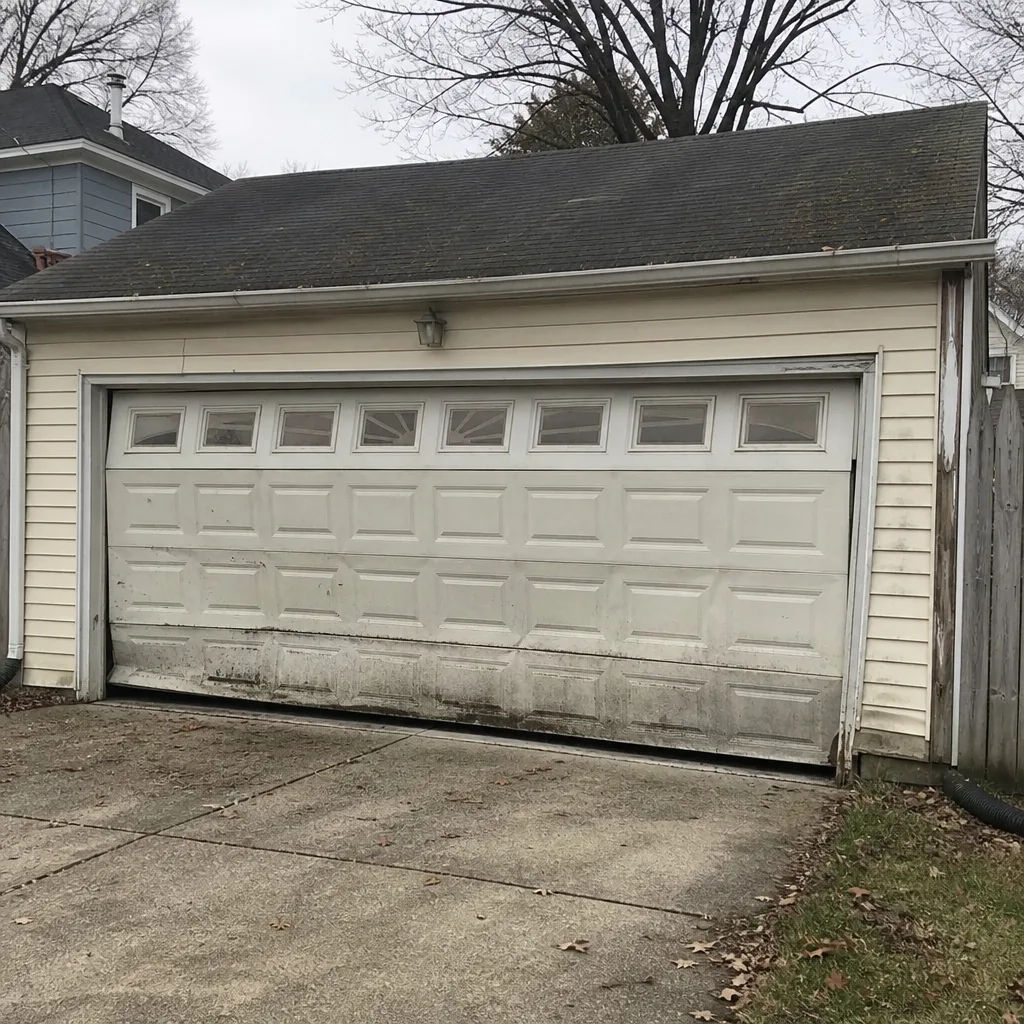 Before
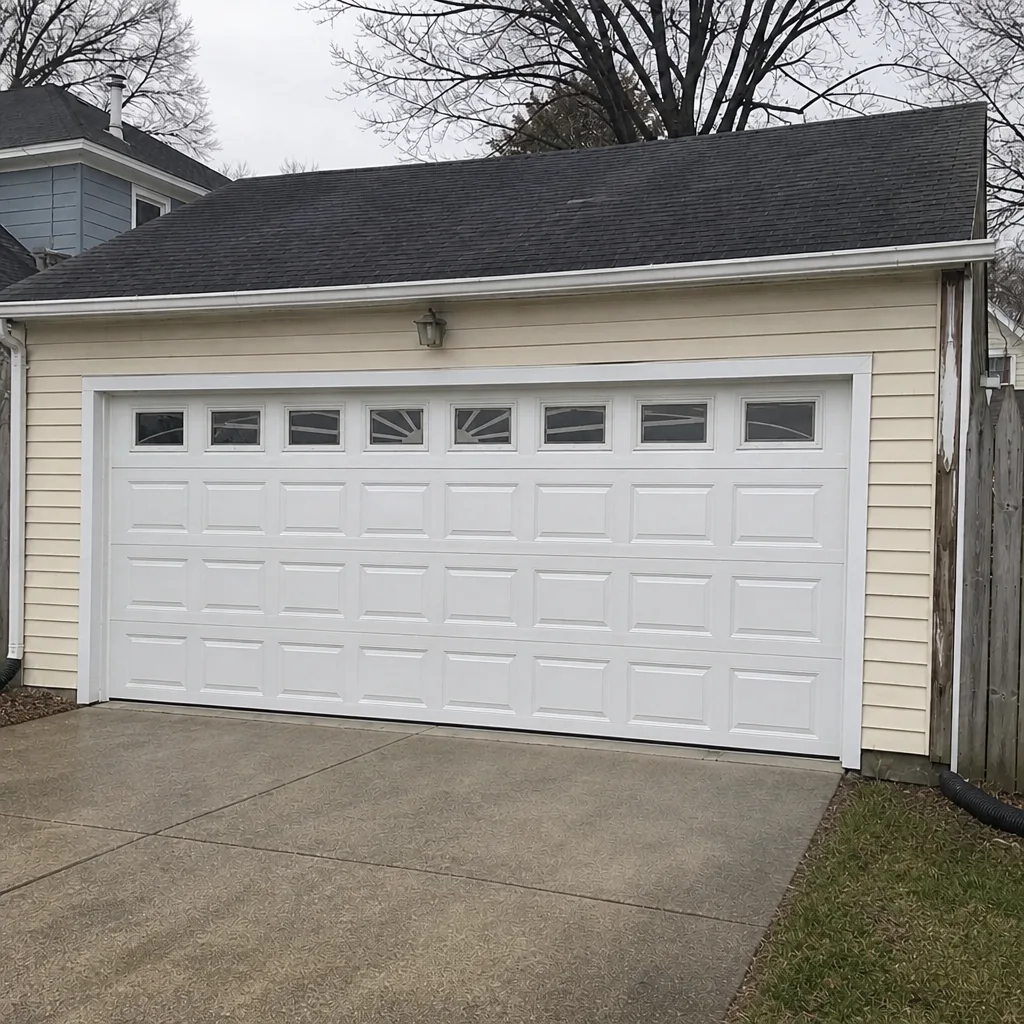 After
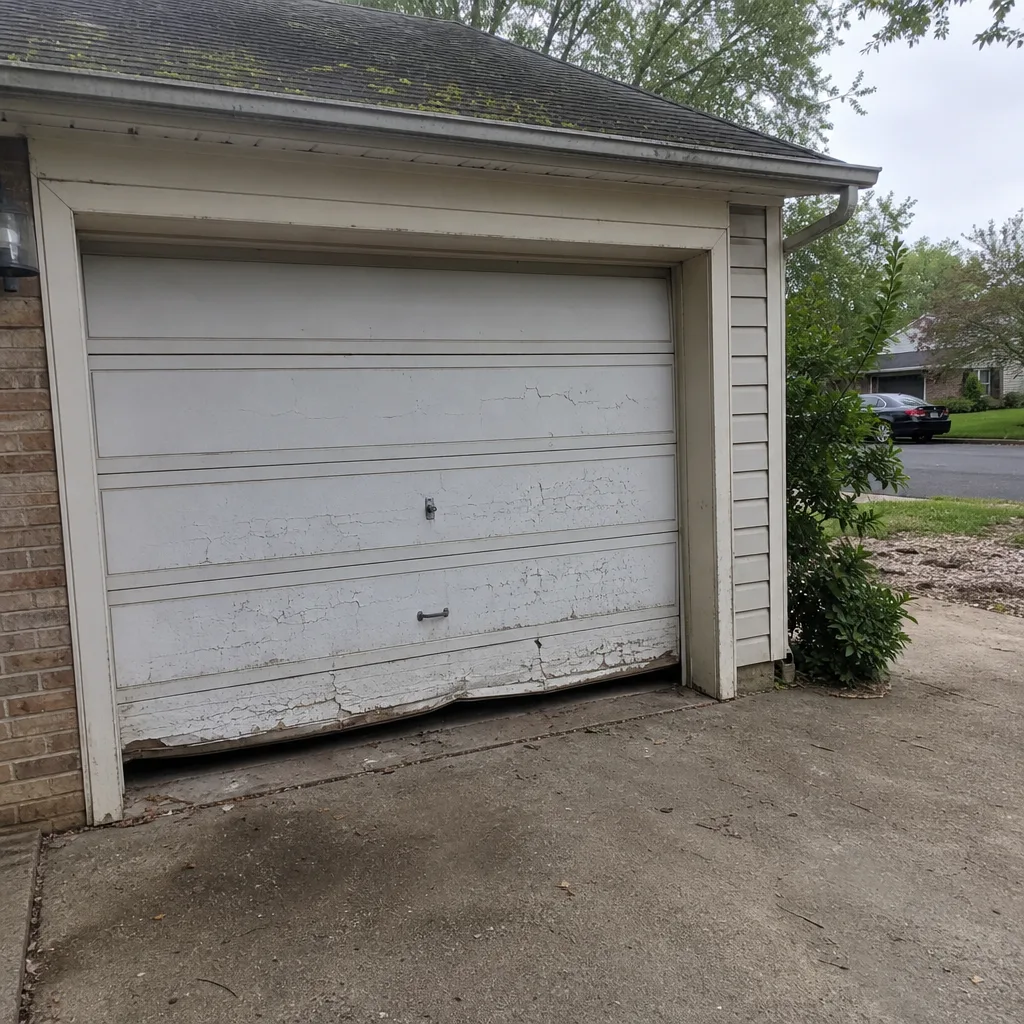 Before
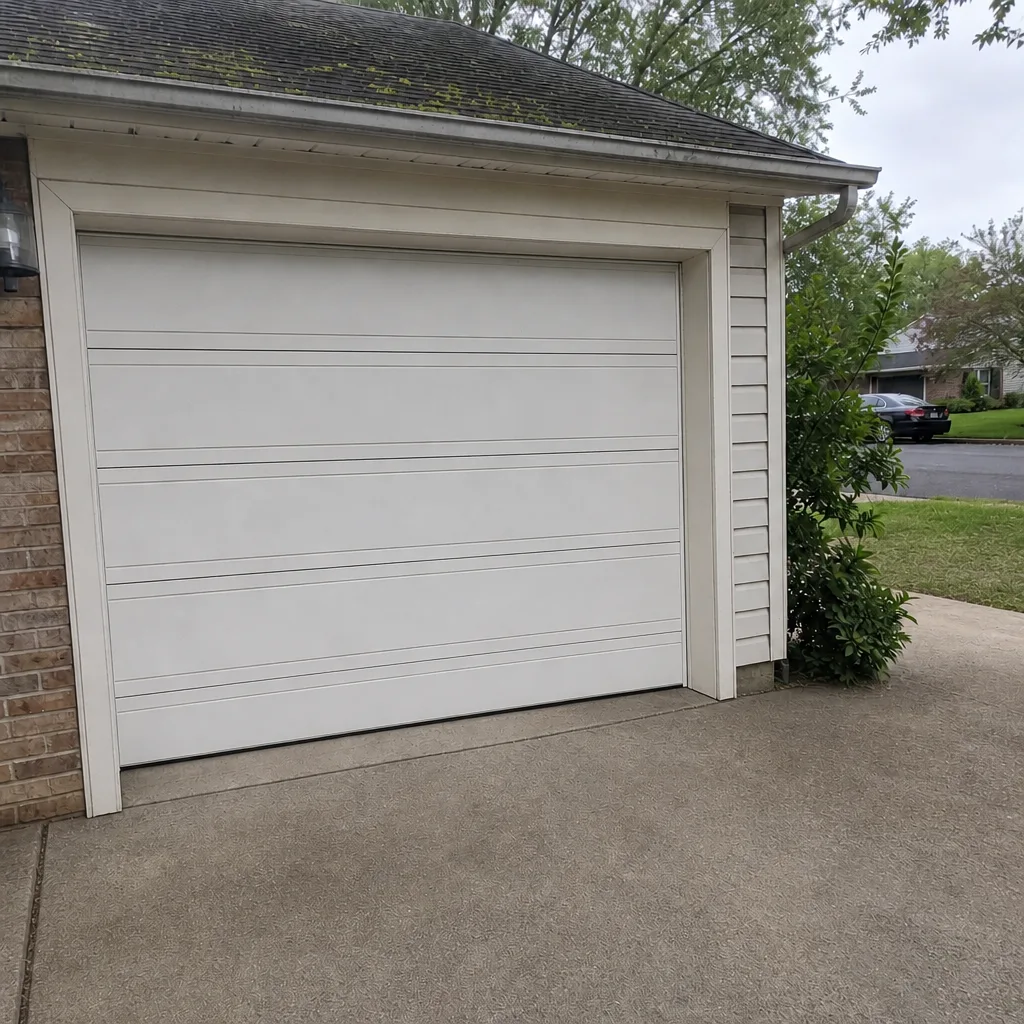 After
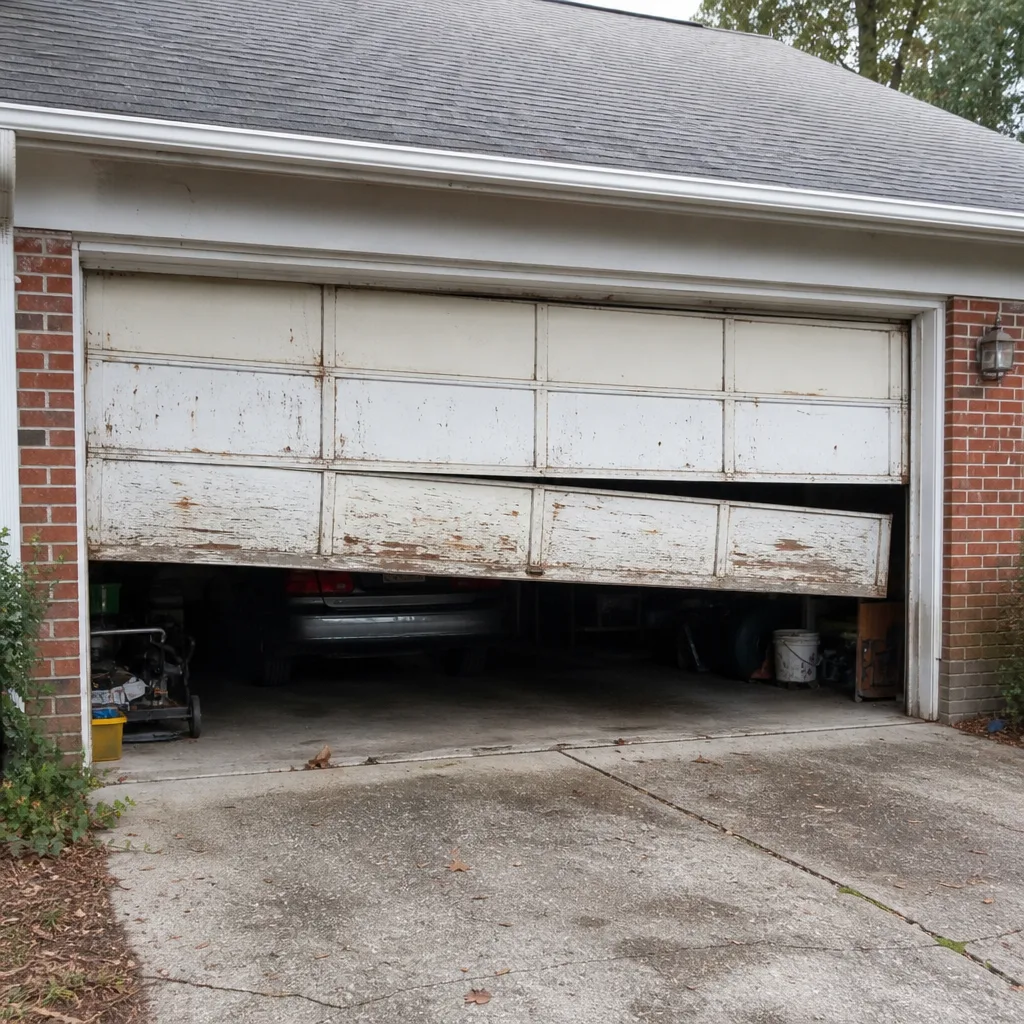 Before
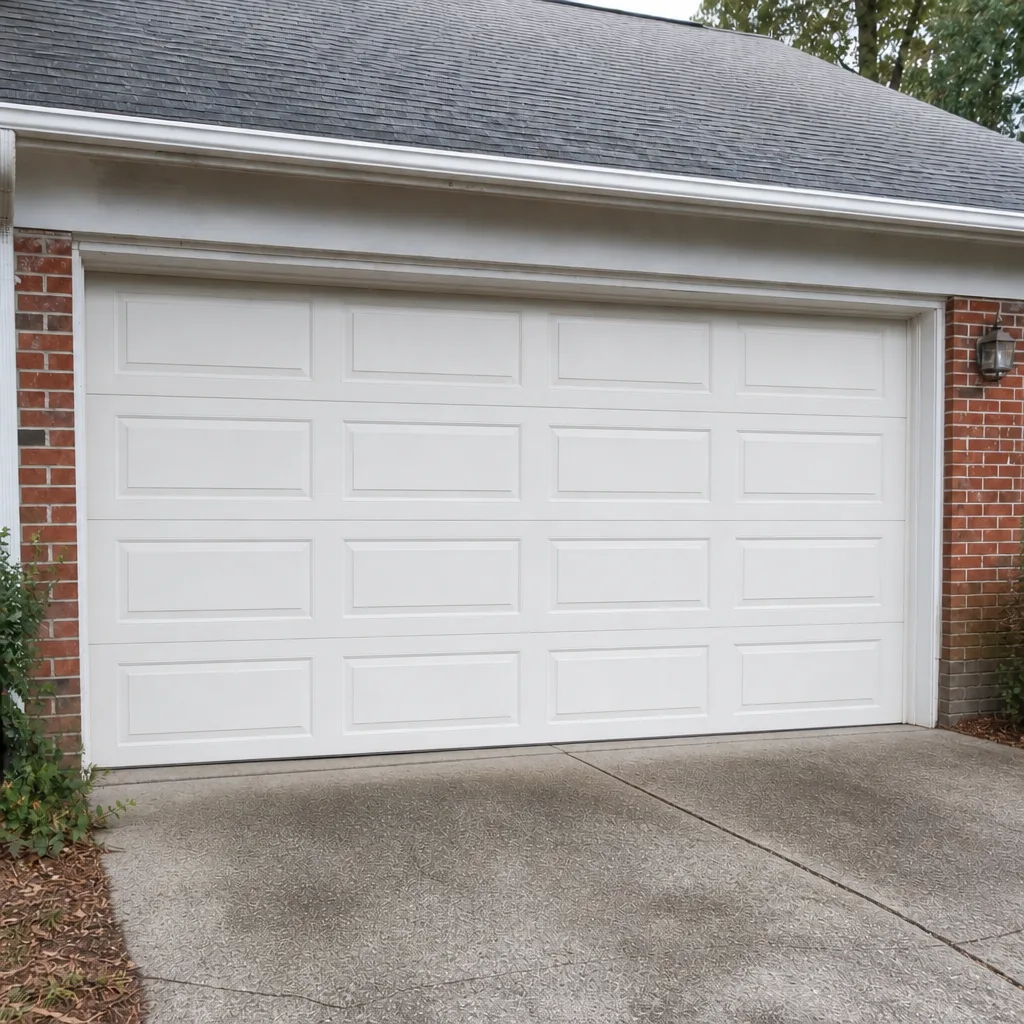 After
When to Call a Professional
Some garage door problems are safe to look at and some are not. A torsion spring or a cable under tension is genuinely dangerous; those parts store enough energy to cause serious injury if handled by someone without training. Don’t try to adjust, remove or “test” a spring or a cable yourself. That’s a job for a trained professional, every time. A door that won’t open, a door that opens crooked, a door that reverses for no reason, an opener that runs but doesn’t move the door, or a door that’s been stuck open overnight all warrant a call. So does any replacement or new installation, where the door must be measured and the opener matched to it. Gaines Garage Door Repair offers free estimates in Arlington. Call (877) 745-1385 and the price is quoted and agreed before any work starts.
Frequently Asked Questions
Garage door repair in Arlington is priced per job after a diagnostic look, and the written estimate sets the final price. Because the trade doesn’t issue a single local rate card, the honest answer is that cost depends on what’s actually wrong (spring, cable, roller, opener or balance) and how much labor the fix takes. Ask for the itemized estimate and compare it line by line. Call (877) 745-1385 for an exact quote; estimates are free.
You’ll want to verify the contractor’s Virginia contractor license class and their certificate of insurance, not a garage door-specific license (the state doesn’t issue one). Check the license against DPOR’s public lookup and confirm the name matches. The local pro should be licensed and insured as Virginia requires. Call (877) 745-1385 to confirm credentials before work begins.
No, the price is quoted and agreed before any work starts. The written estimate sets the final price, which is why an itemized estimate up front matters so much: you’re approving a number, not a guess. If a contractor’s number jumps after the job begins, that’s a sign the estimate wasn’t honest. Call (877) 745-1385 for an exact quote before the work starts.
Many repairs can be handled the same day, and emergency garage door service is available for situations that can’t wait, like a door stuck open overnight or a broken spring blocking the car. Installation and replacement are scheduled, since the door has to be measured and ordered. Call (877) 745-1385 and we’ll tell you what’s possible for your situation.
We’re factory-familiar with eight major brands, including LiftMaster, Chamberlain, Genie, Clopay, Amarr, Wayne Dalton, Craftsman and Raynor. That means we work on the door and opener you already have rather than steering you to what’s easiest to sell. Call (877) 745-1385 for service on your brand.
The technicians are experienced, and the local pro is licensed and insured as Virginia requires. Our technicians have up to 12 years of experience, and we can service the major brands you’re likely to have. Call (877) 745-1385 to get started with a free estimate and an itemized, agreed price before work starts.
The Bottom Line
Hiring a garage door contractor in Arlington comes down to asking better questions. Check the Virginia contractor license class and coverage rather than a garage door-specific license. Ask the five diagnostic questions and listen for reasoning. Demand an itemized estimate with the spring count stated and the brands named. Evaluate every upsell on its merits, and call references to hear how the job actually went. The best crews welcome all of it, explain their work, and quote the right fix rather than the easiest upsell. That’s how you get a confident hire, and a door that’s back up and running.
Ready to get your door fixed or priced? Call (877) 745-1385 for a free estimate. Gaines Garage Door Repair provides residential garage door repair, opener repair, spring repair, installation and emergency service, and the price is quoted and agreed before any work starts.
Written by the team at Gaines Garage Door Repair.