Last updated November 21, 2026
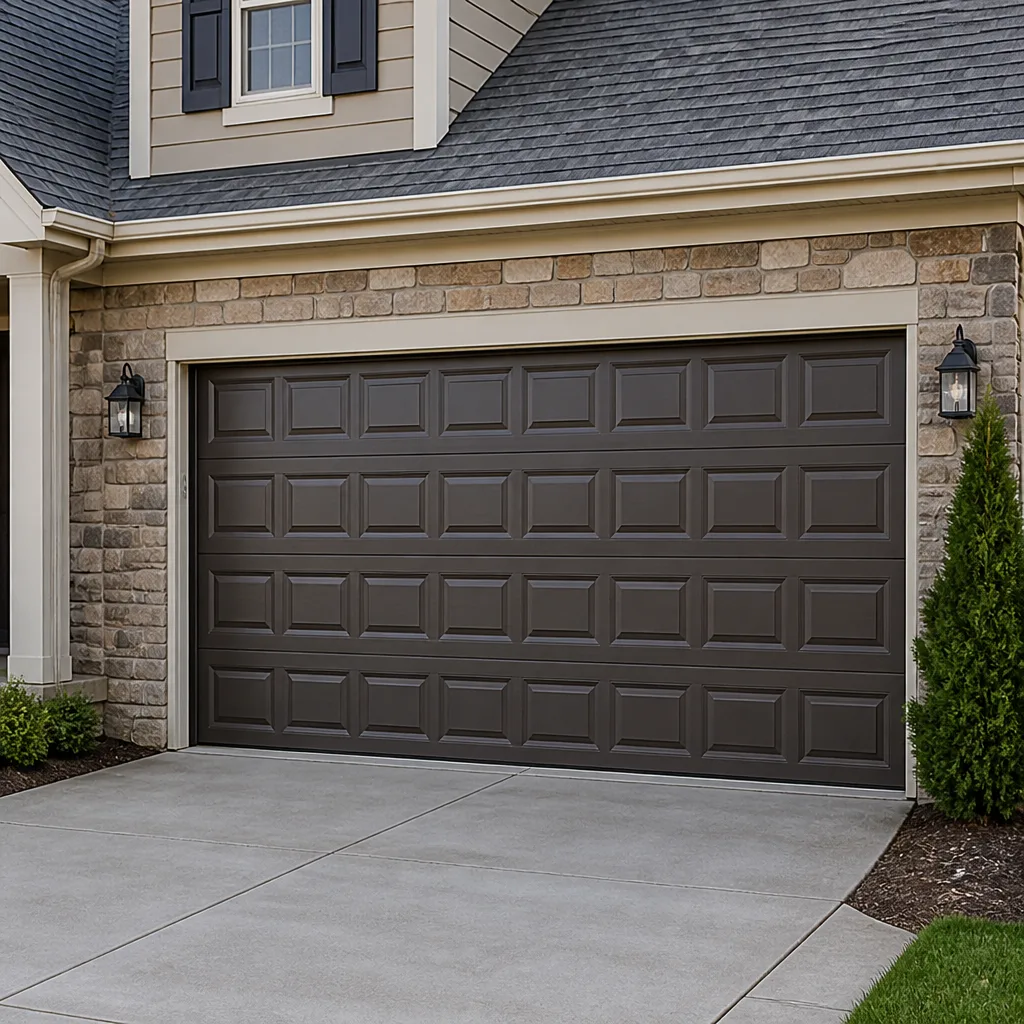 Raised-panel steel
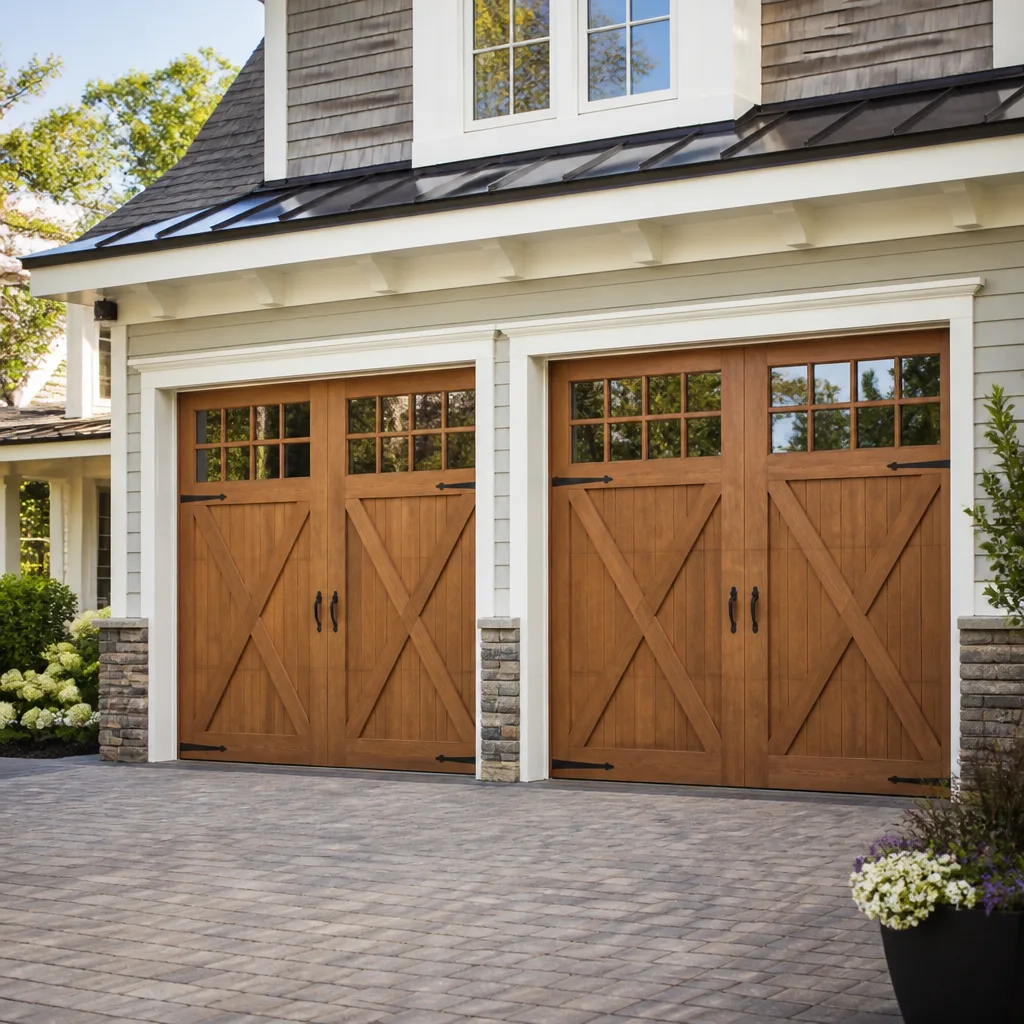 Carriage house
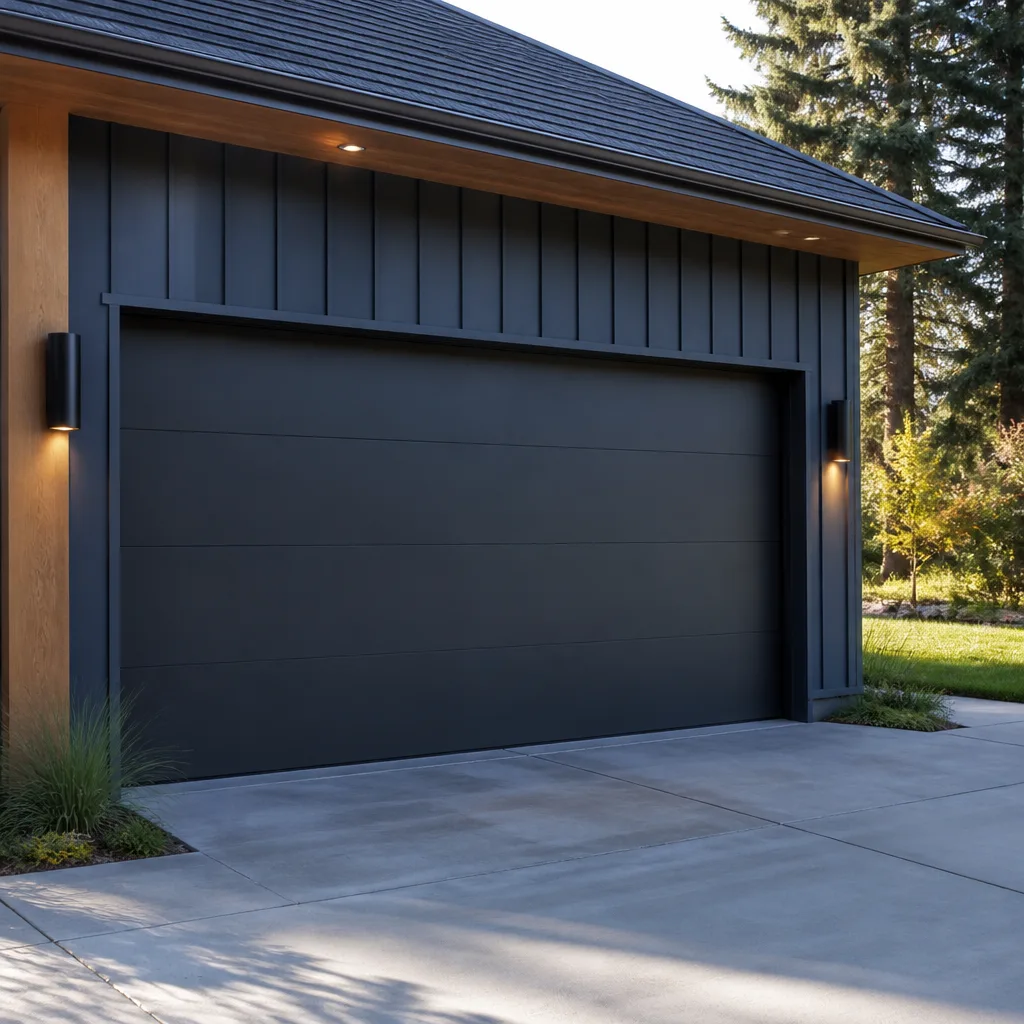 Modern flush
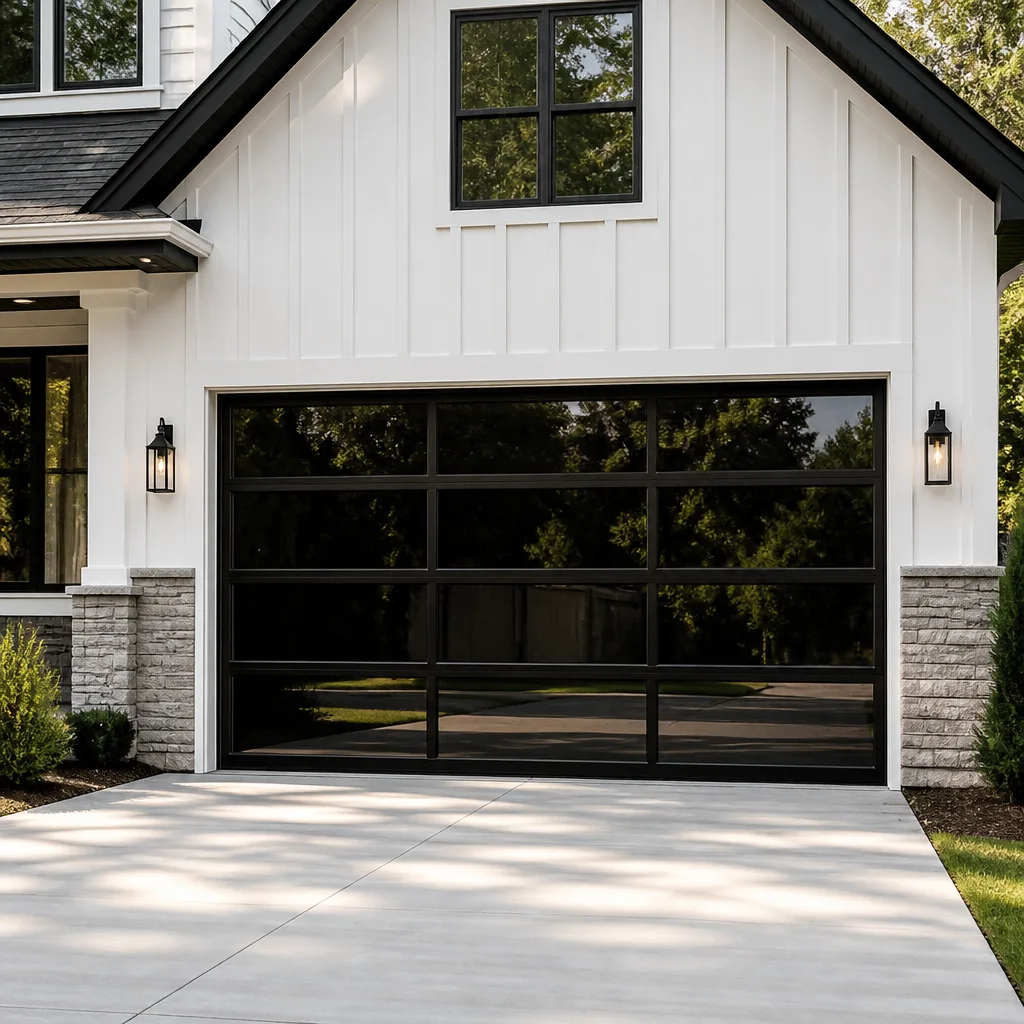 Full-view glass
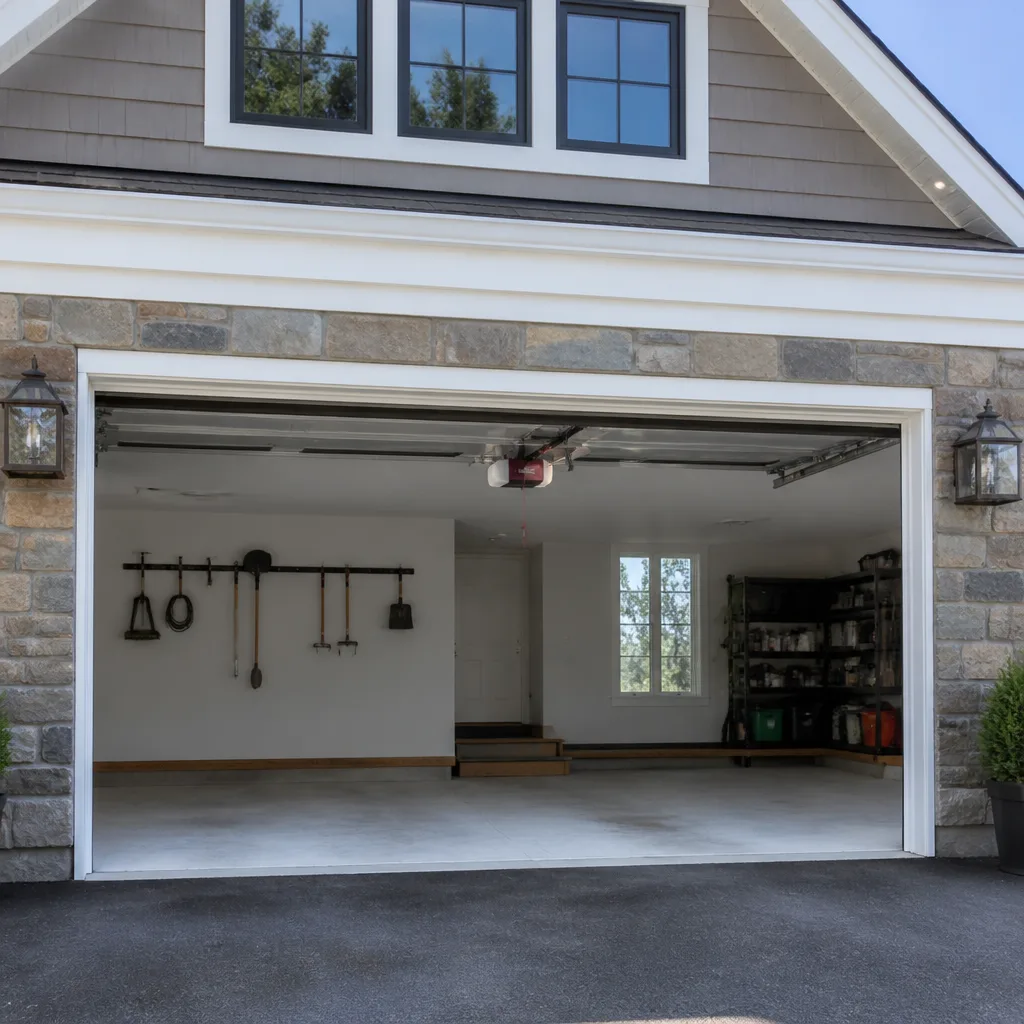 LiftMaster openers
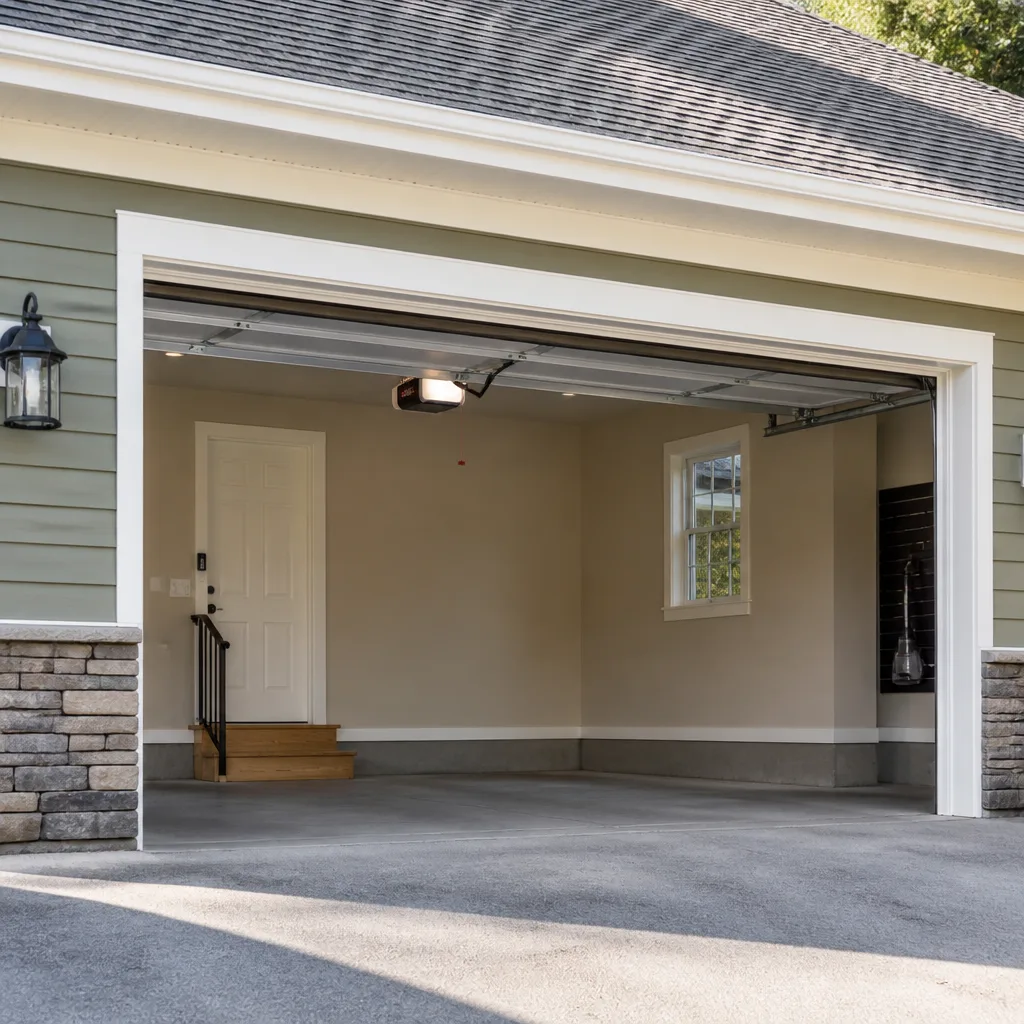 Chamberlain openers
Full 25-point door and opener safety check with every visit - springs, cables, rollers, tracks, and your LiftMaster or Chamberlain opener included
You get a price before we start. It does not change when the pro arrives.
Get your free estimateGarage Door Permits, Codes & Inspections in Arlington, VA: What You Need to Know
Here’s the thing most Arlington homeowners find out too late: a garage door that opens and closes smoothly can still hide a paperwork problem. A permit pulled for a replacement door, never closed out at final inspection, shows up on a title search years later and can stall a closing. And a full replacement may or may not need a permit, depending on how you read the county’s rules. That line is blurrier than it should be. This guide draws it clearly. We’ll cover when Arlington County requires a permit for garage door work, how Virginia’s energy code shapes what gets installed, what “like-for-like replacement” means in practice, and how to clean up a mess a previous owner left behind. If you’ve ever wondered whether your door is code-compliant, start here.
Quick Answer
In Arlington, VA, a straight repair to an existing garage door – new springs, cables, rollers, opener components, or a single damaged panel swapped for a matching one – generally doesn’t require a building permit. A full door replacement may require one, especially when the door size, opening, or design changes, and pulling the permit is usually the safe move. Because Arlington County’s building department sets the final interpretation, always call them before an install, not after. Virginia’s energy code can also affect which door is allowed when a permit is part of the job.
Styles & brands we work with
- Raised-panel steel
- Carriage house
- Modern flush
- Full-view glass
- LiftMaster openers
- Chamberlain openers
Table of Contents
- When Does Arlington VA Require a Garage Door Permit?
- What “Like-for-Like Replacement” Means in Arlington
- How Virginia’s Energy Code Affects Your New Garage Door
- HOA Approval vs. County Permit: Which Comes First?
- The Inspection Process, Step by Step
- Unpermitted Work From a Previous Owner: What Now?
- What Inspectors Actually Look At
- When to Call a Professional
When Does Arlington VA Require a Garage Door Permit?
The short version: repairs generally don’t, replacements sometimes do. That’s the honest answer, and if a contractor tells you otherwise with total certainty in either direction, be skeptical. What matters is what you’re actually doing to the door and the opening it sits in.
Arlington County classifies work by its scope, not by the object attached to the house. A mechanical repair restores what’s already there. A replacement creates something new in the eyes of the code, even if the new door looks identical to the old one. Most repairs fall clearly on the exempt side. Most replacements sit closer to the line, and some cross it.
Work that typically doesn’t require a permit
- Replacing torsion or extension springs
- Swapping cables, drums, or rollers
- Replacing hinges, bearings, or weatherstripping
- Repairing or replacing a garage door opener or safety sensor
- Replacing an individual damaged panel with one of matching size and material
- Adjusting travel limits, tension, or track alignment
Work that may trigger a permit review
- A full door replacement, even with the same dimensions
- Changing the door’s height, width, or headroom configuration
- Modifying the rough opening, framing, or header
- Adding a door where no opening exists
- Switching to a substantially heavier door that alters structural load
Notice that full replacement sits in the second list without a hard yes or no next to it. That’s deliberate. In our experience with Arlington door work, the answer comes down to how the job is described on the permit application and whether a plan reviewer decides the change is structural enough to review. Call the county’s building department before a replacement project is scoped, not after the door is sitting in the driveway. The call takes a few minutes. Reopening a closed permit after the fact takes a lot longer.
For repair work, you’re usually in the clear. A snapped spring in the middle of a workweek is a repair, and garage door repair in Arlington doesn’t need paperwork to get your car out of the garage.
What “Like-for-Like Replacement” Means in Arlington
You’ll hear “like-for-like replacement” used like a magic phrase that exempts a project from permitting. It doesn’t work that way. The phrase describes a swapper’s intent, not a code exemption. Matching the old door in every measurable way is what makes a job easier to defend, and it’s also what the county’s plan reviewers look at first.
In practice, a like-for-like replacement means the new door matches the old one in these dimensions:
- Width and height, to the inch
- Material and construction (steel section door for steel section door, wood for wood)
- Insulation level, if applicable
- Number of sections and section thickness
- Mounting method – torsion or extension springs
- Window configuration and position
Match those and the structural load on the opening stays the same. Change enough of them and the door becomes a new assembly, which is where a permit review can start. A heavier Clopay model replacing a lighter builder-grade door, for instance, may not be like-for-like in the structural sense even if it’s the same size.
Here’s where Arlington’s housing stock matters. A lot of homes across the county carry original doors from their build era, and replacing one with a modern insulated model is a genuine upgrade, not a like-for-like swap. That’s fine. It just means the paperwork runs alongside the project, not after it. If you’re weighing a replacement against a repair, a reputable installer will ask whether you want a permit pulled before any door gets ordered, and they’ll have the answer ready.
How Virginia’s Energy Code Affects Your New Garage Door
Virginia’s building code adopts the International Energy Conservation Code, and that code touches garage doors when they separate conditioned space from unconditioned space. In plain terms: if your garage door sits between the inside of your home and the outside, insulation level on the new door can matter. When it’s just the wall of a garage with no heated space behind it, the code has much less to say.
Why this matters for a permit: a permitted replacement puts the job in front of a reviewer who’s checking code compliance, not just structural fit. The R-value of the door you buy may come up. When it does, your installer has to supply the manufacturer’s spec sheet showing the door meets the requirements for that location.
This is one place where a permit can actually help you. A door that meets the energy code keeps the space behind it warmer in winter and cooler in summer, and an insulated Clopay or Amarr model installed to code is easier to defend at resale than a thinner unpermitted one that caught a buyer’s inspector’s eye.
Two things to know before you assume this applies to you:
- Not every garage in Arlington has conditioned space on the other side of the door. Ask yourself what’s actually behind it before you spend on R-value you don’t need.
- R-value requirements vary with the specific code edition the county has adopted. Don’t take a number off a manufacturer’s brochure and assume it satisfies Arlington. Ask the building department which edition is in force.
When the door is a genuine exterior separation, an insulated door is the right call. When it isn’t, don’t let anyone upsell you on insulation you can’t use. We’d rather install the right door than the fanciest one.
HOA Approval vs. County Permit: Which Comes First?
In Arlington, a lot of neighborhoods carry HOA or architectural review covenants that layer on top of the county’s permitting rules. A door that passes the county can still fail the neighborhood, and clearing the HOA after the door is already installed is somewhere between expensive and impossible. Get the order right.
The sequence that works:
- Read your HOA documents first. Find the architectural standards section and confirm what’s allowed for door style, color, window configuration, and material.
- Submit your HOA application with photos of the existing door and the model you want. Most review boards want the manufacturer’s spec sheet as well.
- Get approval in writing. Verbal approval from a board member won’t protect you if a neighbor complains later.
- Then pull the county permit for any replacement scope the building department considers permit-worthy.
- Schedule the install once both approvals are in hand.
- Book the final inspection and close the permit out before the project is done in your mind.
That order saves you a lot of grief. A rejection from the HOA after the door’s in the truck means you’re starting over. A county inspection that flags a door the HOA approved is a much easier conversation than the reverse.
Older Arlington neighborhoods often have tighter architectural standards than newer ones, so if you’re near a historic district, read the fine print twice. And keep every approval document in one folder. That folder is the answer to any question at resale.
The Inspection Process, Step by Step
If you’ve pulled a permit for a garage door replacement, the inspection is the last step and the one that closes the loop. Here’s how it usually goes, start to finish.
- Permit application submitted. Scope, door specs, and R-value documentation go to the county. A simple replacement is often sorted at the counter. A structural change may need plan review.
- Permit issued. The county has approved the scope before any work starts. This is the point where you have a number to point to if anyone questions what’s happening on your property.
- Installation completed. The new door, opener, springs, and tracks are in place and working.
- Inspection requested. Your installer or builder calls for the final, and the inspector visits the site.
- Inspection passed. The counter confirms code compliance. Failed inspections generate a re-inspection list, and the work gets corrected before a second visit.
- Permit closed out. The county records the job as complete. This is the one step people forget, and the one that shows up on a title search years later.
Every honest contractor knows that an open permit is a hanging question. Ask whoever’s handling the install for the permit number, then check the county’s online permitting portal and watch for the status to change to closed. If you’re not the type to chase paperwork, ask your installer to send you a photo of the closed permit at the end of the job. It’s a small thing that pays off years later when a buyer’s inspector goes looking.
Unpermitted Work From a Previous Owner: What Now?
Selling a home in Arlington with a garage door that was replaced without the right permits is a fixable problem, and the fix usually starts with a phone call to the building department, not a contractor. When a title search flags an open or missing permit, the county can generally tell you what it takes to close the matter. Often that’s a retroactive permit application with a current inspection.
A retrofit inspection is not as bad as it sounds. An inspector visits, checks the door’s structural integrity, mounting, and safety systems, and either approves it or asks for specific corrections. Those corrections are usually straightforward – a missing safety sensor bracket, a door that won’t reverse, a spring assembly not properly anchored. You pay for the inspection and any correction, and the file closes.
What buyers and their agents care about is clean paperwork. A closed-out permit is worth far more than a discount, and an unclosed one is worth far less. If you’re on the buying side and see an open permit tied to a garage door, get the seller to close it out before the contract is finalized, not as a post-closing promise.
If you’re a seller with no idea whether a past owner pulled the right permits, check the county’s online permit records by address before listing. It’s a five-minute search that can save a closing later.
What Inspectors Actually Look At
The inspection isn’t a mystery. Garage door inspections are consistent, and the checklist is common sense once you know it. Here’s what gets checked, whether it’s a new install or a retrofit.
- Structural adequacy. The header, jamb, and frame are sized and anchored properly for the door’s weight. Track brackets hold firm under pressure.
- Safety reversal systems. The opener reverses within the required distance when it meets an obstruction on the floor, and the safety sensor pair works properly. This is the most common failure point.
- Spring integrity. Springs are the right size for the door weight, mounted safely, and have the required containment safety cables running through extension springs.
- Localized requirements. Depending on whether you’re in Virginia proper or a jurisdiction with its own overlay, the inspector may default to International Residential Code provisions. Ask your county which standard applies.
- Safety containment. Extension springs must have safety cables, torsion springs must be mounted correctly, and the track must be secured so the door can’t come loose from the opening.
- Energy compliance. If the door separates conditioned space, the spec sheet for the installed door needs to match the R-value submitted in the permit.
None of these checks is exotic. A properly installed door from a trained technician passes cleanly the first time. A rushed install with the safety reverse triggers out of spec fails on the spot. If you want an honest read on why we treat springs as a specialty, it’s because failing an inspection over a spring is easy if it wasn’t the right size. The door looks fine and behaves fine right up until the inspector checks it. We’d rather diagnose it right the first time than come back and re-do it.
Opener alignment and safety sensor operation are heavily checked. If your opener’s behaving strangely before an inspection, schedule a visit for garage door opener repair and get it straightened out ahead of the visit.
Common Mistakes to Avoid
- Assuming “like-for-like” is a legal exemption. It’s not a term in the county code. It’s shorthand for a replacement that matches the old door closely enough not to raise structural questions. Assume the county will decide, not the installer.
- Forgetting the permit when the door gets bigger. A wider or taller door in an Arlington home changes the opening and often the header. That’s a structural scope that’s much harder to defend as exempt.
- Installing before HOA approval lands. A door rejected by the architectural board after installation is a door you may have to take off and replace out of pocket.
- Leaving the permit open. Even a properly permitted, properly installed job creates a title headache if nobody closes the permit. It’s the last step and the one most often skipped.
- Ordering a door with the wrong R-value. If your permit lists an R-value and the door that shows up doesn’t match the spec sheet, you get to re-do it at your own cost. Match the spec before you buy.
- Skipping the safety sensor check before inspection day. Misaligned sensor eyes and out-of-spec reverse distance are the two most common inspection failures. Ten minutes with a broom handle ahead of the visit catches both.
- Ignoring the previous owner’s mistakes. If you bought a home with an unpermitted door and plan to sell, the time to fix the record is now, not during contract negotiation.
- Letting a spring failure pile onto the same project. If your door’s been making noise for weeks before your replacement, get it diagnosed first. Cramming spring repair into an install day can push a permit inspection past its window.
See the difference
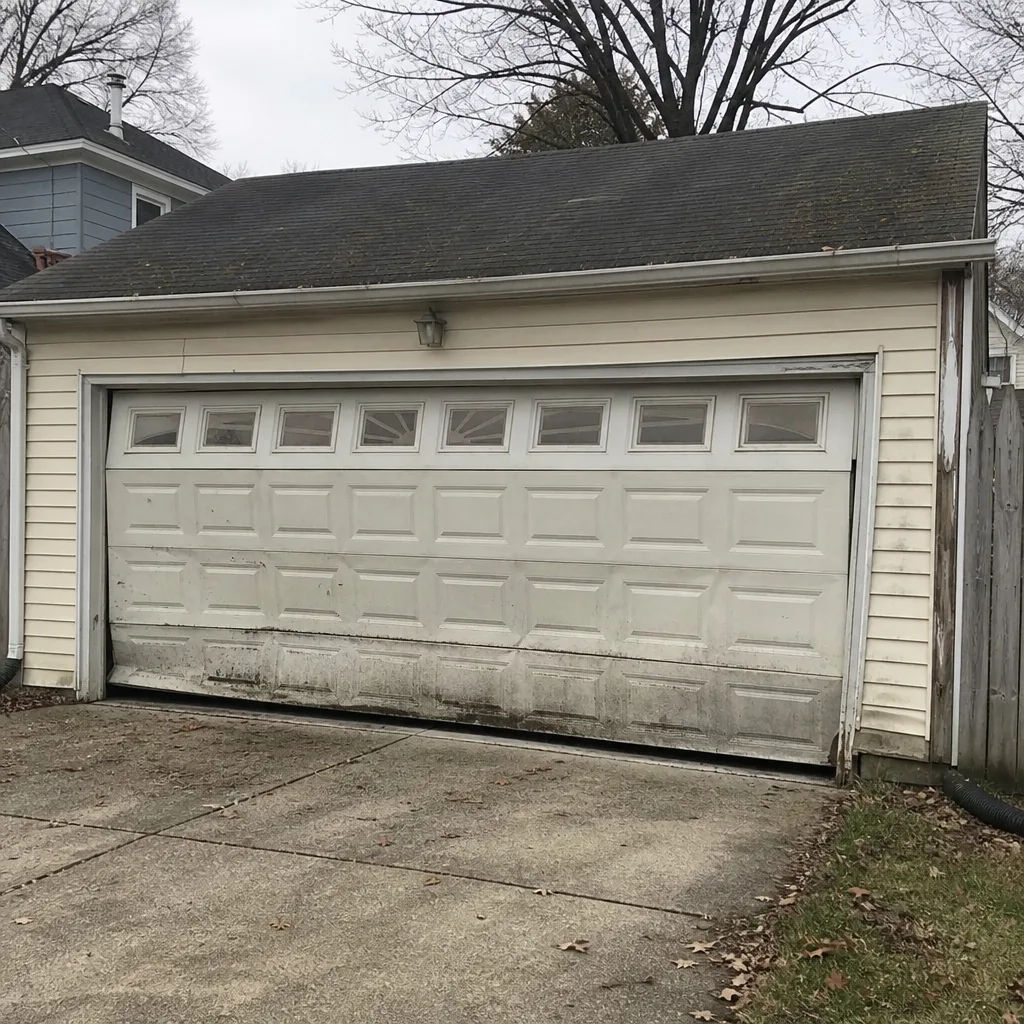 Before
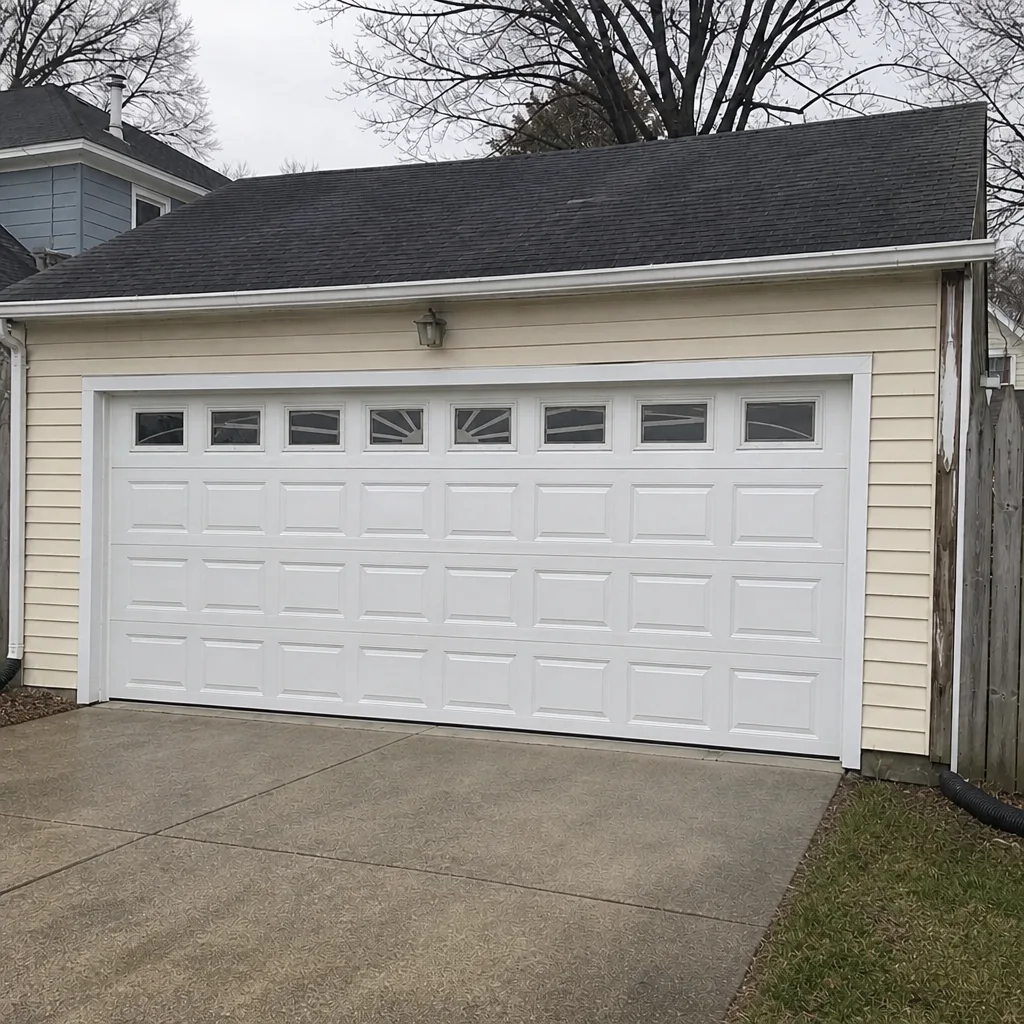 After
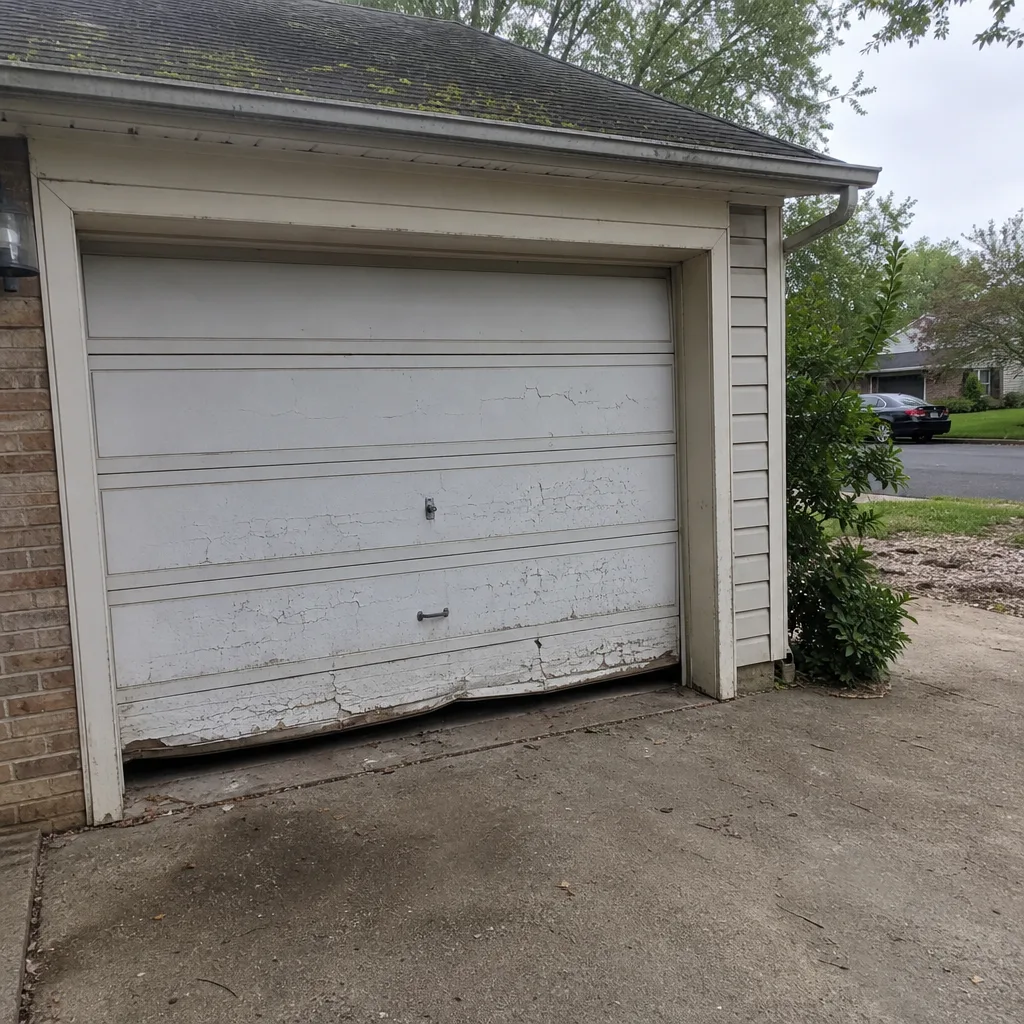 Before
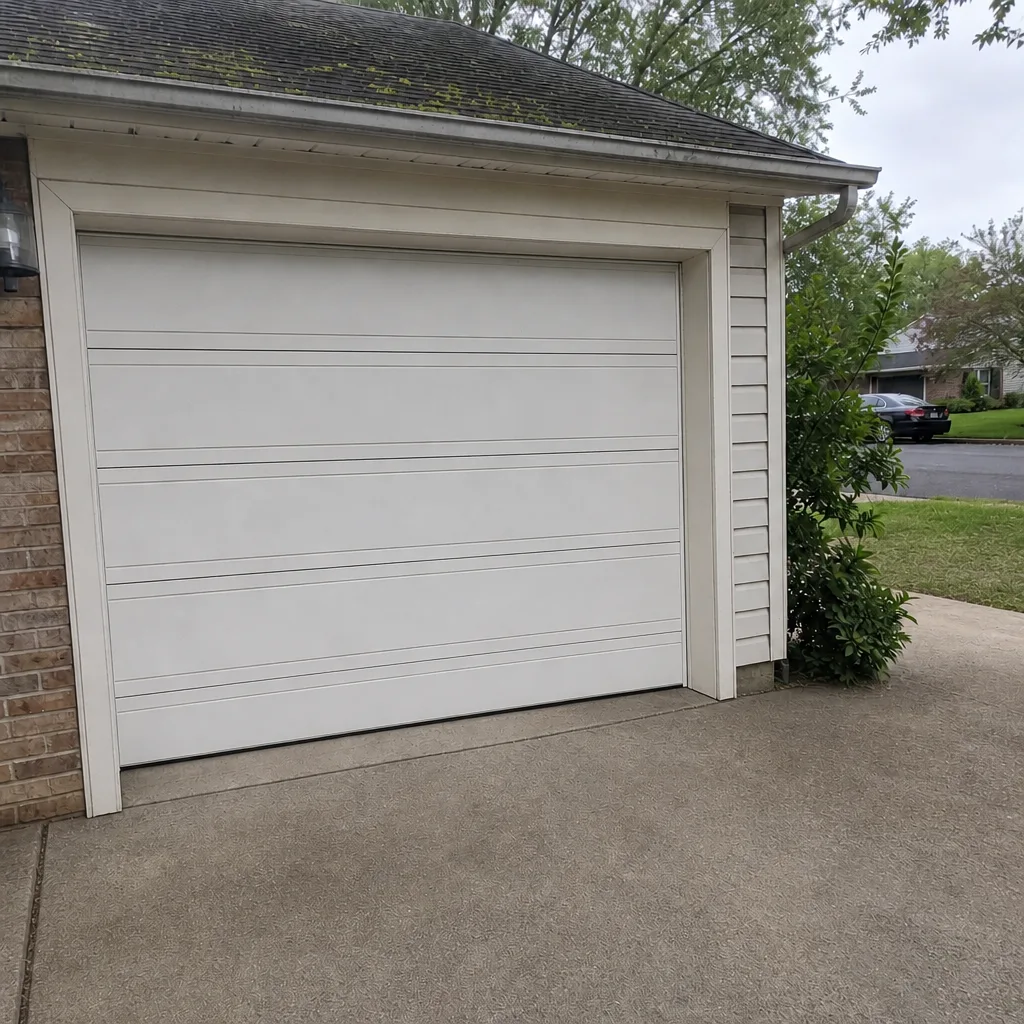 After
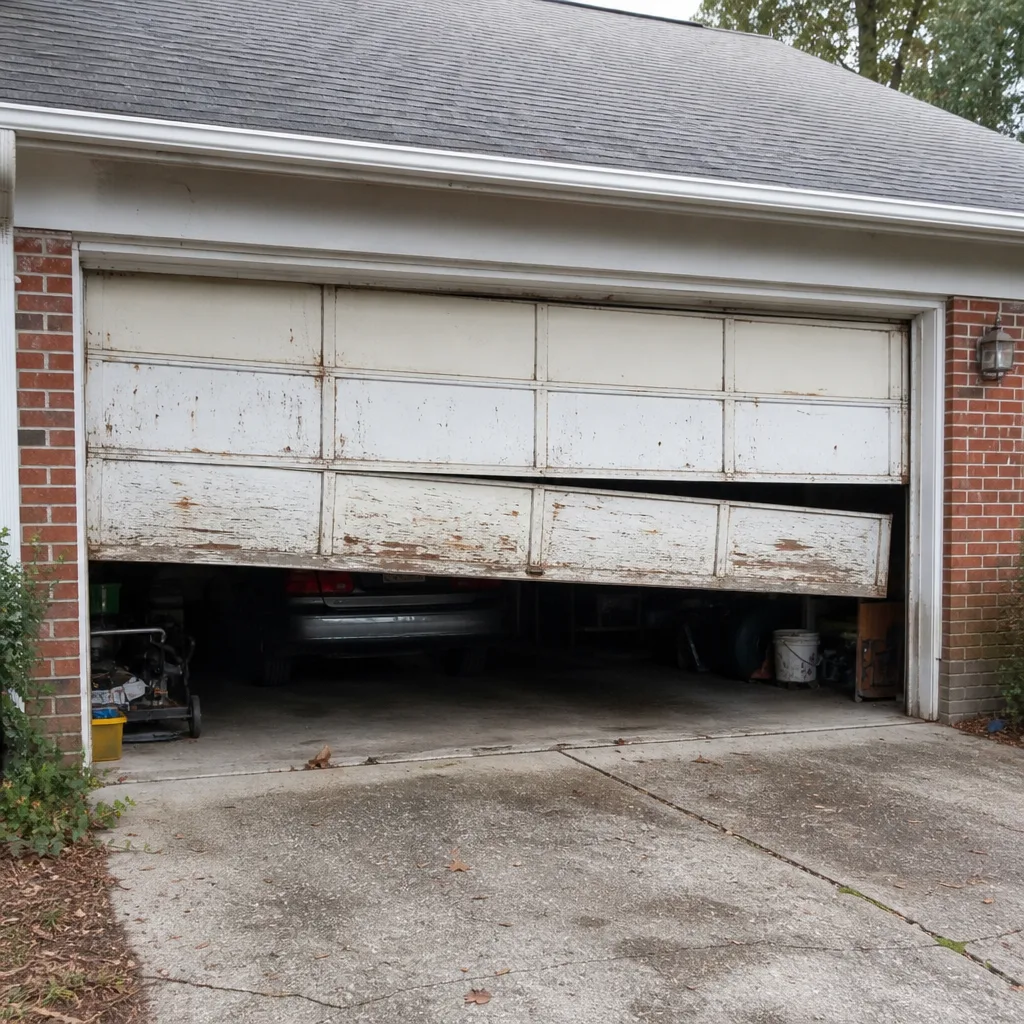 Before
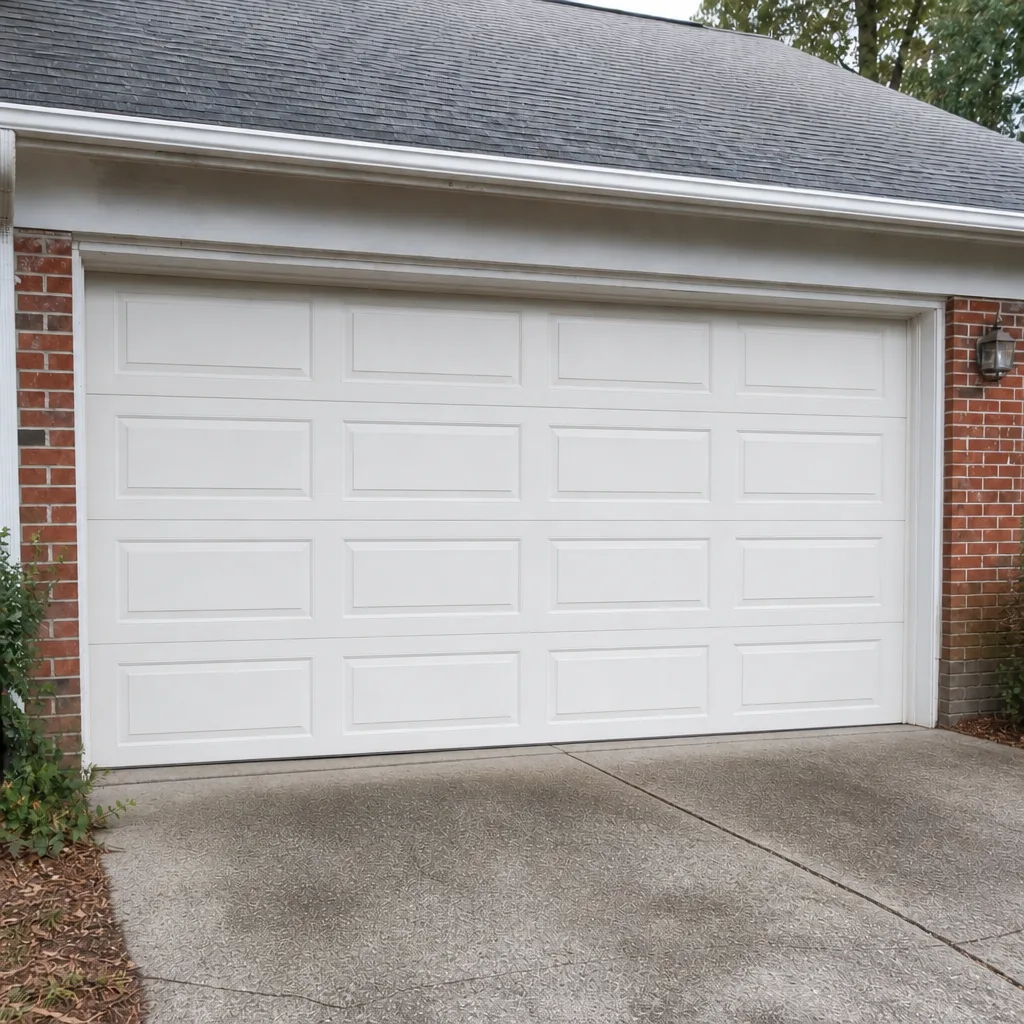 After
When to Call a Professional
You can read the code and read the county’s portal, and you should. But there are moments when reading stops being enough. If a full replacement is on the table, get a professional in early so the scope is clear before any door is ordered. If a spring has snapped, don’t touch it. Torsion springs store enormous tension and a mishandled one can throw you across a garage – this is a trained-professional repair, full stop, and it’s why we treat garage door spring repair as a specialty rather than a side job. If an inspection just flagged something, get a technician out to correct it before the re-inspection deadline. If you’ve just bought a home and the title report shows an open permit tied to the garage door, you need a proper repair to close that permit, not a magic phrase. Gaines Garage Door Repair offers free estimates in Arlington – call (877) 745-1385. Our technicians have up to 12 years of experience and work on LiftMaster, Chamberlain, Genie, Clopay, and other major brands. Pricing is quoted and agreed before any work starts.
Frequently Asked Questions
Sometimes. Arlington County’s building department may require a permit for a full door replacement, and often does when the size, structure, or design changes. Straight repairs to springs, cables, or opener components generally don’t need one. Confirm with the building department before your install day, so you’re not caught out after the door’s been removed.
Not automatically. A same-size replacement may be treated as exempt, but the county’s plan reviewers can still interpret a full replacement as a permit-worthy scope depending on structural details. The safest approach is to call the county, describe the job in plain language, and let them tell you whether a permit is required. A permit cost is small compared to the cost of fixing a closed sale later.
A like-for-like replacement matches the existing door in width, height, material, construction, insulation level, number of sections, and spring mounting type. When all of those match, the door changes without changing the structural load on the opening, which makes the paperwork simpler. A modern insulated door replacing a lighter builder-grade one is a genuine upgrade and usually needs to be described that way on any permit application.
HOA approval comes first, then the county permit. Get your architectural review board’s approval in writing before submitting a permit application. The reasoning is simple: a county permit for a door the HOA rejects leaves you starting the whole project over. The reverse is easy to correct – a little extra paperwork on the county side – but a rejected door after install is very expensive.
A title search can flag an open or missing permit, and that can delay or kill a sale. The fix is usually a retroactive permit application with a current inspection. Contact Arlington County’s building department first, get the file open, and expect an inspection that checks structural integrity, safety reversal, and code compliance. An honest installer can correct anything the inspector flags, and the file closes clean. Start this process before you list, not after buyer negotiations begin.
Timelines vary with the county’s current processing volume. A simple permit can move quickly once the install is done and the inspection passes; a plan review takes longer. Rather than promise a timeline we can’t control, we recommend asking the county when you submit, then tracking the permit’s status on their online portal. Call (877) 745-1385 if you want to talk through the process before you start, and we’ll be straight with you about what to expect.
Possibly more likely than on a detached garage. When the door separates conditioned living space from the outside, Virginia’s energy code can apply to the new door’s R-value, and the county is more likely to want a permit on record. Detached garages with no conditioned space behind the door usually face a lighter review. Ask the county directly, and have the manufacturer’s R-value spec sheet ready for the permit application.
The Bottom Line
Arlington garage door rules aren’t complicated, they’re just not obvious. Repairs almost never need a permit. Full replacements sometimes do, and “sometimes” is exactly the wrong word to hear mid-project. Get the answer from the county before the door is ordered. Match your HOA approval and permit in the right order. Keep your paperwork in one place and check that the permit actually closes out. Do those three things and the title search five years from now is a non-event. Skip them and it’s a conversation you’d rather not have. If you’re ready to plan a repair or replacement in Arlington, we’re happy to walk through the project with you – the right fix, not the easiest upsell, and pricing quoted before anything starts. Call (877) 745-1385 for a free estimate. You can also start with Gaines Garage Door Repair if you’d like a read-through of everything we do. When a door is stuck open overnight or a spring leaves your car boxed in, emergency service is available – a malfunctioning door is a security and safety issue.
Written by the team at Gaines Garage Door Repair.