Last updated November 21, 2026
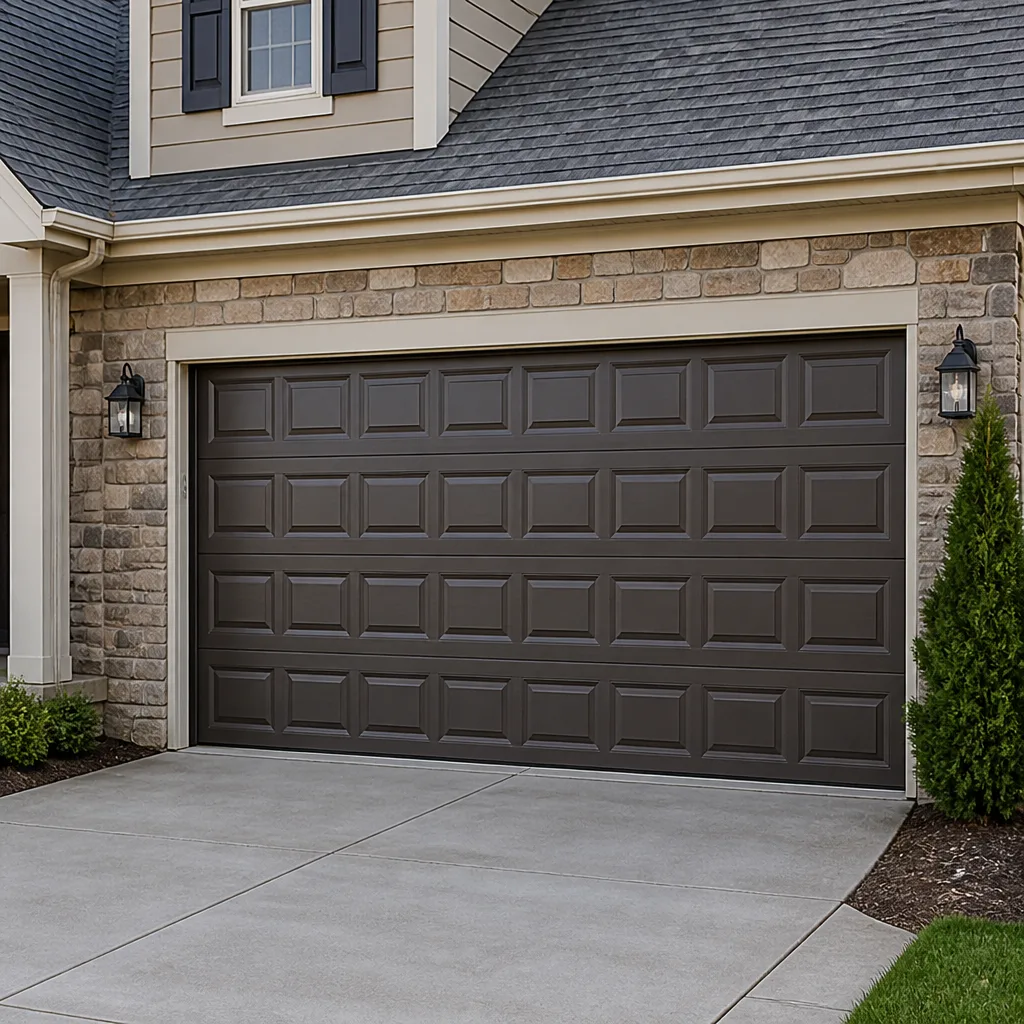 Raised-panel steel
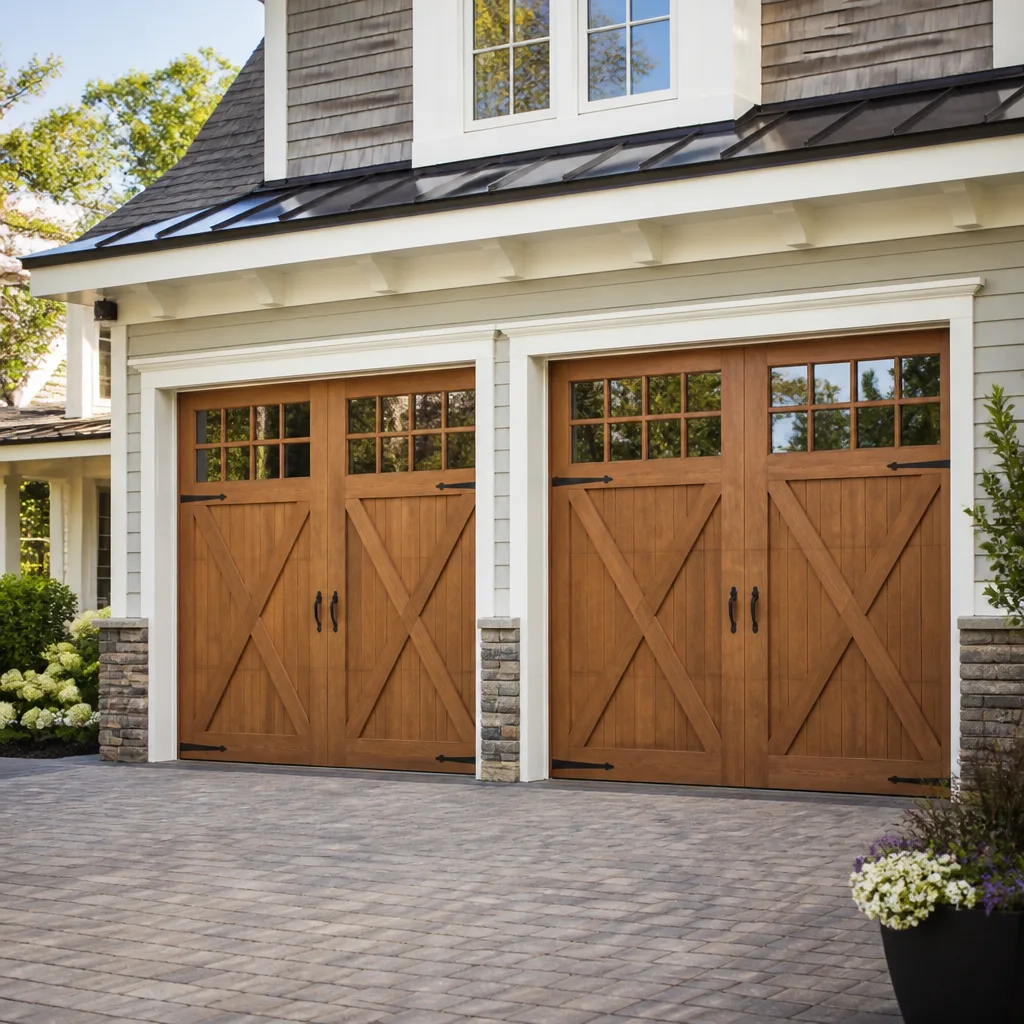 Carriage house
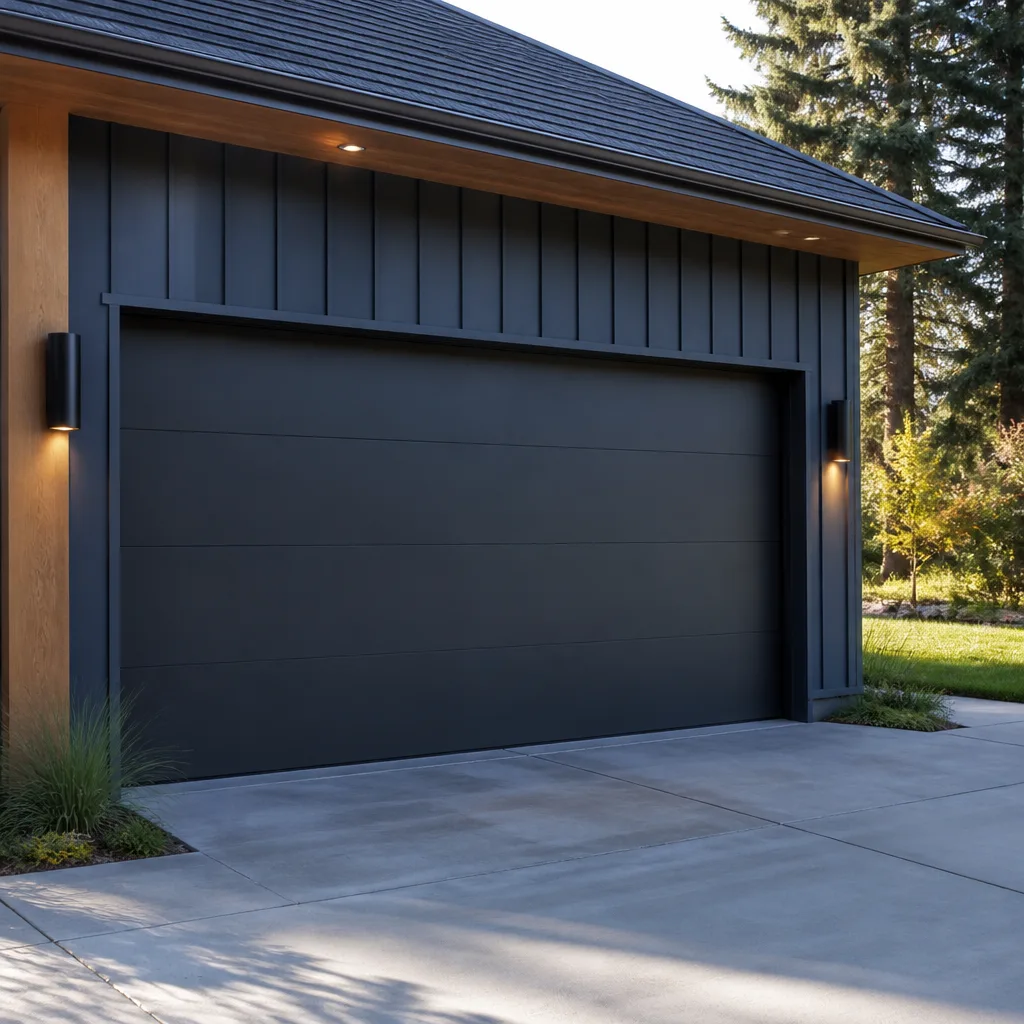 Modern flush
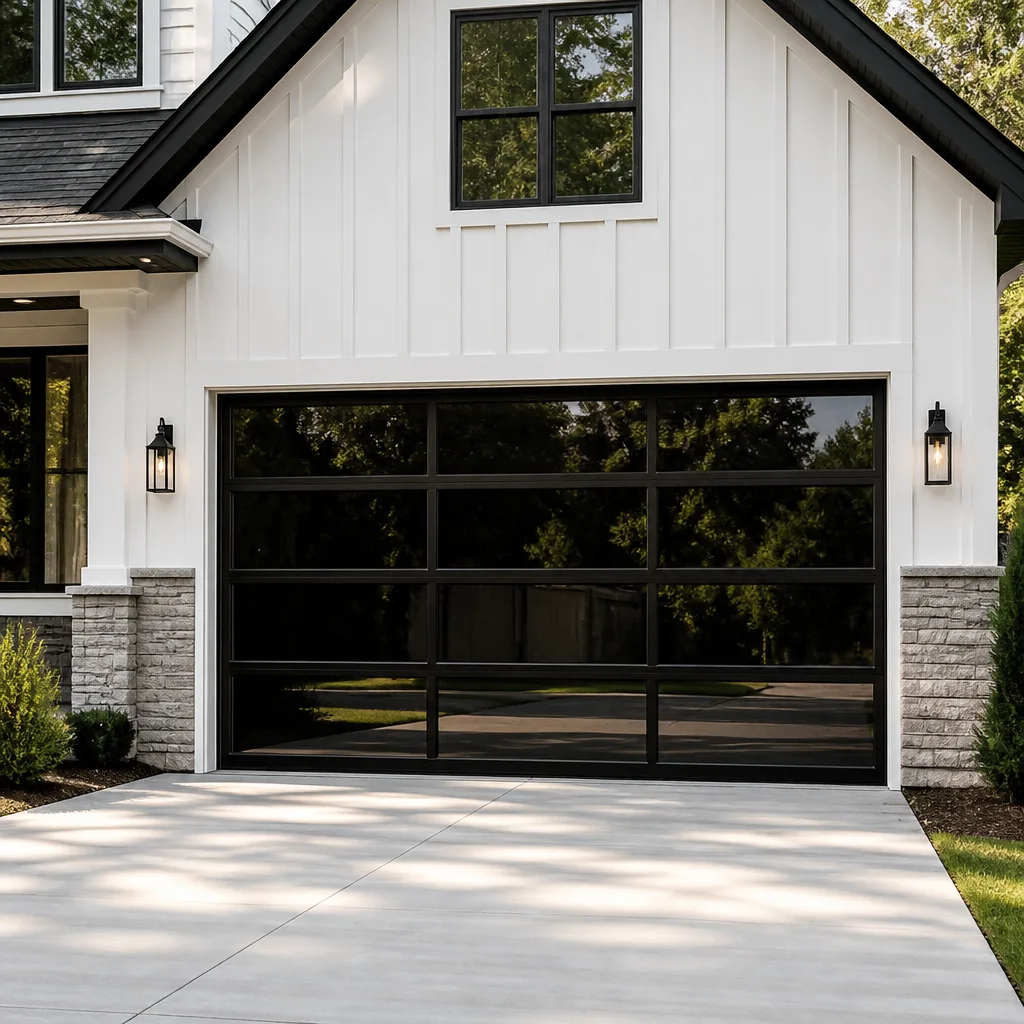 Full-view glass
 LiftMaster openers
 Chamberlain openers
Full 25-point door and opener safety check with every visit - springs, cables, rollers, tracks, and your LiftMaster or Chamberlain opener included
You get a price before we start. It does not change when the pro arrives.
Get your free estimateGarage Door Warning Signs: An Arlington Homeowner’s Reference Guide
Most warning-sign guides give you a checklist and tell you to call a professional if anything on it applies. That’s not useful advice, because it treats a squeaky roller the same as a spring that’s about to let go. The truth is that garage door symptoms rarely mean anything on their own. A door that’s slow to open is a nuisance. A door that’s slow to open and vibrates on one side is a different animal, and the two symptoms together point at a spring under load. This guide teaches Arlington homeowners how to triage what they’re seeing and hearing into three tiers: stop using the door now, schedule attention this week, or monitor it for 30 days. You’ll find the 10-minute inspection that catches most failures early, the signs specific to Arlington’s humidity and freeze-thaw swings, and a clear line between what’s safe to fix yourself and what can hurt you. The goal is better judgment, not more worry.
Quick Answer
Garage door warning signs fall into three urgency tiers. Stop using the door immediately if you see a broken spring, frayed or snapped cable, a door that’s come off its tracks, or a door that reverses without warning. Schedule service this week for grinding noises, uneven travel, slow response, or a door that vibrates on one side. Monitor for 30 days if you only notice minor squeaks, a slightly stiff weather seal, or cosmetic wear. When two or more symptoms appear together, treat the door as more urgent than either sign alone suggests.
Styles & brands we work with
- Raised-panel steel
- Carriage house
- Modern flush
- Full-view glass
- LiftMaster openers
- Chamberlain openers
Table of Contents
- The Three-Tier Urgency Framework
- Reading Symptom Combinations, Not Just Single Signs
- The 10-Minute Visual Inspection Every Arlington Homeowner Should Do
- Why Certain Warning Signs Show Up More Often in Arlington
- What the Noises Mean: A Plain-Language Decoder
- Which Fixes Are Safe for DIY and Which Are Injury Risks
- Opener Warning Signs That Look Like Door Problems
- When to Call a Professional
The Three-Tier Urgency Framework
Triage is the whole skill. Before you decide whether to call anyone, sort what you’ve noticed into one of three buckets. The framework below isn’t a guarantee, but it gives you a repeatable way to think about risk.
Tier 1: Stop Using the Door Now
These signs mean the door could fall or the mechanism could release under tension. Don’t open or close it, even once, even “just to check.”
- A visible gap in a torsion spring or a stretched, disconnected extension spring
- Frayed, kinked, or snapped cables hanging loose
- A door visibly out of its tracks or sagging on one corner
- The door drops or slams instead of lowering smoothly
- A loud bang from the garage with the door suddenly heavy to lift
If the door is stuck open and you can’t secure the house, that’s an emergency situation rather than a routine appointment. We handle those.
Tier 2: Schedule This Week
The door still works, but something is wearing or drifting out of adjustment. Left alone, most Tier 2 problems become Tier 1 problems.
- Grinding, scraping, or rhythmic squealing during travel
- The door travels unevenly (one side lags behind the other)
- Slow response from the opener, or the remote only works from close range
- Vibration you can feel through the floor on one side
- A door that stops partway and needs a second press to finish
Tier 3: Monitor for 30 Days
Minor, cosmetic, or seasonal items. Note them, watch whether they get worse, and act if they do.
- Light squeaks that come and go with temperature
- A weather seal that’s stiff or slightly cracked
- Faded paint, minor dents, or worn rollers
- One remote working intermittently while others work fine
Monitoring is not ignoring. The point is to check the item once a week and promote it to Tier 2 if it changes.
Reading Symptom Combinations, Not Just Single Signs
Garage doors are mechanical systems, so symptoms cluster. Reading the combination tells you which component is actually failing, and that saves you from guessing. Here are the pairings we watch for most closely.
- Slow travel plus one-sided vibration. This combination usually points at a spring carrying unequal load or a cable that’s begun to fray on one side. Slow travel alone is usually an opener or roller issue. Together, treat it as Tier 2 minimum and get it looked at this week rather than next month.
- Grinding plus a door that reverses at the same height. The opener’s safety reverse is triggering at a consistent point, which usually means something is binding in the track at that height. Don’t ignore this: the auto-reverse is a safety feature, and a door that fails to reverse properly is a hazard.
- A door that’s heavy to lift by hand plus a labored opener motor. The opener is doing work the springs should be doing. That burns out opener gears and shortens motor life. Springs are the likely cause; the opener is the casualty.
- Squealing plus stiff weather seal plus seasonal timing. In Arlington, this combination usually shows up at the first cold snap. The metal contracts, the seal hardens, and the door fights the frame. Treat it as a weather-seal and lubrication item before assuming a bigger problem.
What we want Arlington homeowners to take away: if one symptom appears, note it. If two or more appear together, don’t wait. Multiple symptoms on a garage door almost always mean a single underlying cause that’s progressed.
The 10-Minute Visual Inspection Every Arlington Homeowner Should Do
You don’t need tools or training to catch most imminent failures. This inspection takes about 10 minutes and surfaces the large majority of failure points before they become full breakdowns. Do it standing safely, with the door closed, and never put your fingers near moving parts.
- Look up at the springs. If you have a torsion spring (the coil above the door on a metal shaft), look for a visible gap. If you have extension springs (the coils running parallel to the tracks), look for stretched coils or a safety cable threaded through the middle. Never touch a spring; just look.
- Trace both cables. Run your eyes down each cable from the drum to the bottom bracket. You’re looking for fraying, kinks, rust, or slack. Fraying means it’s time to call.
- Check the tracks. Look for dents, bends, or debris. A track knocked slightly out of alignment will cause the door to bind.
- Inspect the rollers. Worn steel rollers develop flat spots. Nylon rollers crack. If any roller looks damaged, note it for a service visit.
- Examine the weather seal. Run your hand along the bottom seal (with the door closed). If it’s stiff, cracked, or no longer touching the floor, it’s a Tier 3 item.
- Test the balance. With the door closed, pull the opener’s manual release, then lift the door halfway. A properly balanced door should stay put. If it drops or rises on its own, the springs are out of balance.
- Test the auto-reverse. Place a small board flat on the floor under the door, close the door, and confirm it reverses when it hits the board. If it doesn’t, don’t use the door until it’s fixed.
Repeat this inspection every season. In Arlington, the change from summer humidity to the cold snaps of late fall is when most of what you’ll find first appears.
If any of this looks concerning, our garage door repair work starts with a full diagnosis, and we’ll tell you what’s actually failing rather than what’s easiest to sell.
Why Certain Warning Signs Show Up More Often in Arlington
Climate shapes wear patterns, and Arlington’s climate does a specific number on garage doors. Two patterns stand out.
Humidity-Driven Cable and Hardware Corrosion
Arlington’s summers are humid. Garage interiors that face the sun all afternoon trap that moisture, especially in homes near the Potomac with shaded garages. Cables, springs, and hinges are all steel, and steel in a damp garage rusts. Rusted cables lose flexibility, then fray. You’ll often spot the fraying before the cable snaps, but only if you’re looking. This is one of the reasons we tell homeowners to trace both cables during the 10-minute inspection, especially in the peak of summer.
Freeze-Thaw Weatherstripping Failure
Winter swings between freezing nights and mild days. That cycle hardens the rubber or vinyl weather seal along the bottom of the door. Once the seal stiffens, it stops conforming to the floor, and you get drafts, water intrusion, and sometimes the door binding against the frame. The seal also starts to crack, and a cracked seal often hides a bigger alignment issue behind it. Replacing a bottom seal is a modest job; ignoring it through two winters turns it into a track and door-adjustment job.
What It Means for Your Triage
In Arlington, we see cable and seal issues earlier in their life cycle than in drier climates, which is good news for the homeowner who inspects. Your job is to add the seasonal check to your calendar, and our job is to diagnose what the check turns up. If you’re noticing new symptoms in a Wayne Dalton or LiftMaster door especially, those are two brands we see constantly here, and our technicians know the specific hardware inside them.
For the highest-risk repair on the entire door, our garage door spring repair service treats the springs as its own specialty, not an afterthought.
What the Noises Mean: A Plain-Language Decoder
Noise is information. The sound a door makes while traveling tells you where the friction is coming from. Here’s how we read each one.
- Squealing or high-pitched screech: Usually metal-on-metal contact from dry hinges, rollers, or a track rub. Often resolved by proper lubrication, but if it persists after lubrication, schedule a diagnosis.
- Grinding or rumbling: Worn rollers with flat spots, or a bearing in the opener’s gear assembly beginning to fail. Grinding is a Tier 2 item, because it gets worse quickly.
- Banging or thumping: Loose panels, loose hinges, or the door slamming at the end of travel. Loose hardware can vibrate free and become a safety issue.
- A single loud bang (often followed by the door feeling very heavy): A broken tension spring. That’s a Tier 1 sign. Stop using the door.
- Clicking or snapping at the opener: Not a door sound. That’s an opener symptom, and it usually means the logic board, gear, or drive mechanism needs attention.
If the noise only happens on one side of the door, that’s a strong signal the problem is in that side’s track, rollers, or cable. If it happens across the whole width, look at the springs, the opener, or the overall balance.
Which Fixes Are Safe for DIY and Which Are Injury Risks
A lot of garage door repairs are genuinely homeowner-friendly. Others can hurt you, and it’s important to know which is which before you grab a tool.
Safe for a Careful DIY Fix
- Lubricating hinges, rollers, and the tracks with the right garage-door lubricant
- Cleaning debris out of the tracks
- Tightening loose hinge screws and bolts you can clearly reach from the floor
- Replacing the bottom weather seal on many doors
- Replacing the opener’s battery in the remote
- Adjusting the opener’s travel limits and force settings according to the manual
- Re-painting or touching up the door
Not Safe for DIY
These are the repairs where we’d rather you call than get hurt.
- Torsion springs. The spring above the door holds the full weight of the door under significant tension. Adjusting, removing, or replacing one without proper winding bars and training can cause serious injury.
- Extension springs. Same risk under tension, plus the added danger of the spring releasing unexpectedly if a safety cable has failed.
- Cable replacement. Cables are under load and stored on drums that can unwind violently.
- Track realignment or replacement. A door in a bent track can come down on you while you’re working on it.
- Opener replacement or electrical work. If it involves opening the wiring or the panel, stop and call a professional.
Our technicians have up to 12 years of experience with precisely these high-risk repairs. Doing them safely isn’t a matter of extra caution; it’s a matter of training and the right tools.
Opener Warning Signs That Look Like Door Problems
A surprising share of “the door is broken” calls turn out to be opener issues. The two systems are connected, so symptoms get blamed on the wrong component. Here are the signs that point at the opener rather than the door.
- The door reverses the moment it starts to close. Usually the safety sensors are misaligned or blocked, not a door problem.
- The remote only works from close range. Typically a battery, antenna, or logic board issue with the opener.
- The opener runs but the door doesn’t move. Likely a stripped gear or a broken drive in the opener. Common in older Craftsman and Genie units.
- The lights flicker or the opener beeps and stops. That’s an opener error signal, not a door problem.
- The door works from the wall button but not the remote. Points at the receiver or the remote, not the door.
If your opener is a Raynor or LiftMaster unit, our team is familiar with the parts and diagnostic codes those brands use. Calling it opener repair means we diagnose the opener specifically. If you’re already confident the door itself is the issue, the diagnosis runs the other way. We handle both, and you’ll get one point of accountability from start to finish.
For the opener side specifically, our garage door opener repair covers all the major brands you’re likely to find above an Arlington garage.
A Quick Reference Table for Arlington Symptoms
Keep this in mind when you’re trying to sort a symptom quickly. It’s a starting point for a call, not a replacement for a diagnosis.
- Broken spring, snapped cable, off-track door: Stop using now. Do not lift or lower the door. Call us.
- Grinding, uneven travel, vibration on one side: Schedule this week. Avoid heavy daily use until then.
- Slow opener response, one remote failing: Schedule this week. The opener is doing more work than it should.
- Door reverses without obstruction: Stop using. The safety reverse is malfunctioning.
- Squeaks, stiff seal, worn rollers: Monitor for 30 days; address if it worsens.
- Single minor dent or cosmetic wear: Monitor. No action needed unless it affects operation.
See the difference
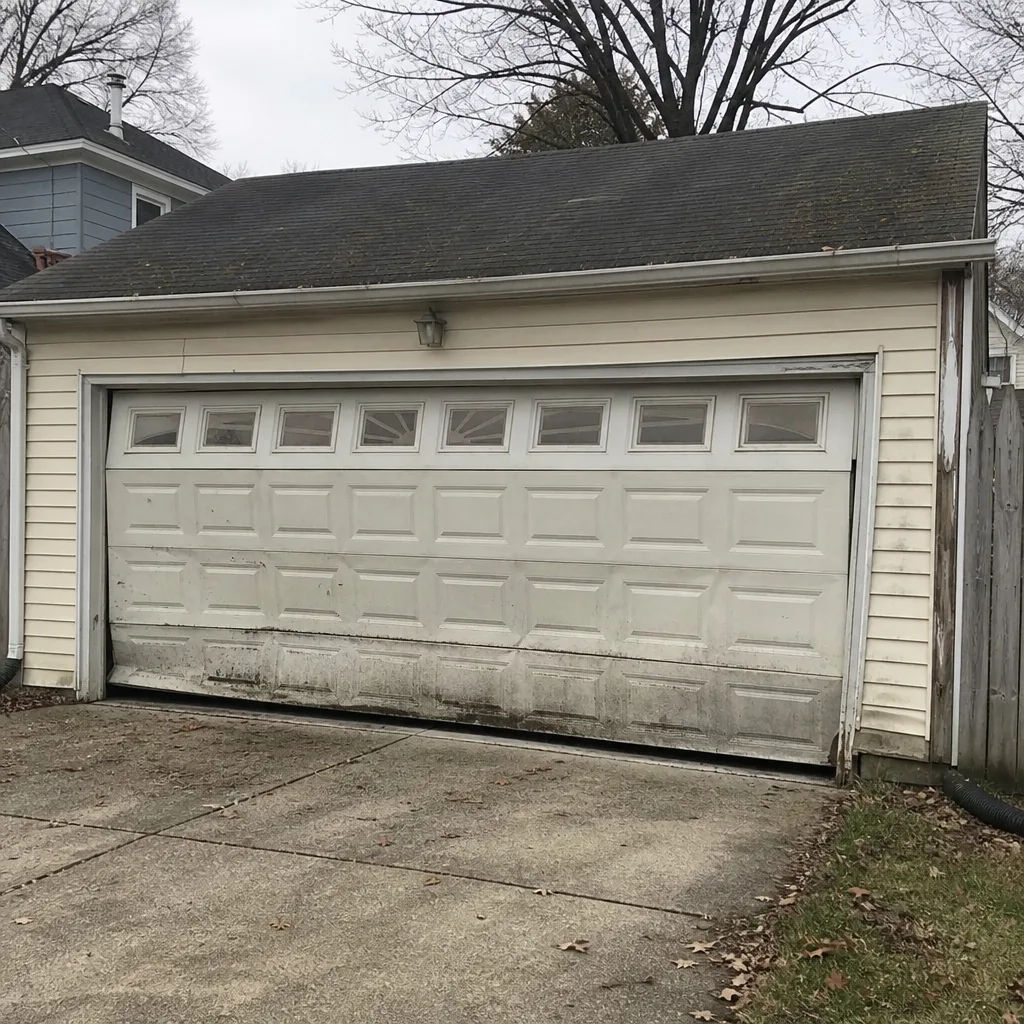 Before
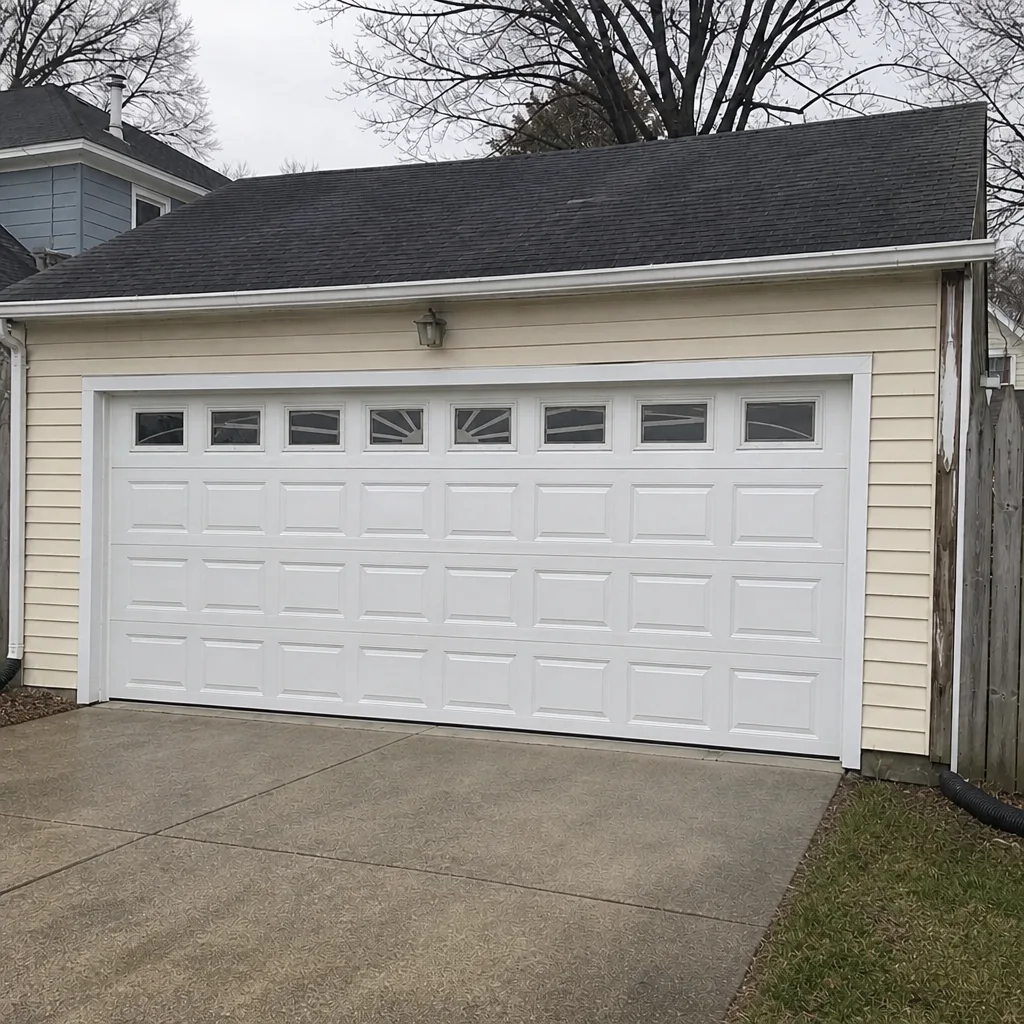 After
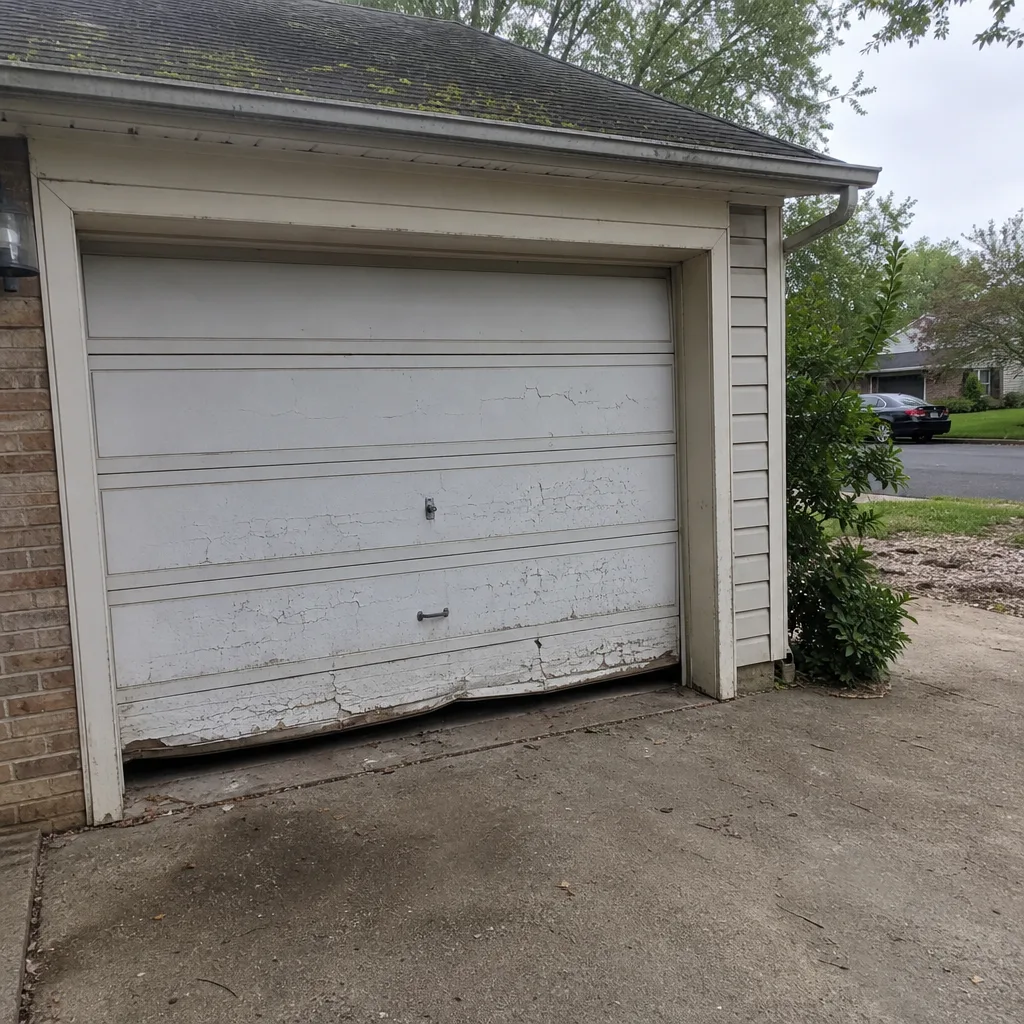 Before
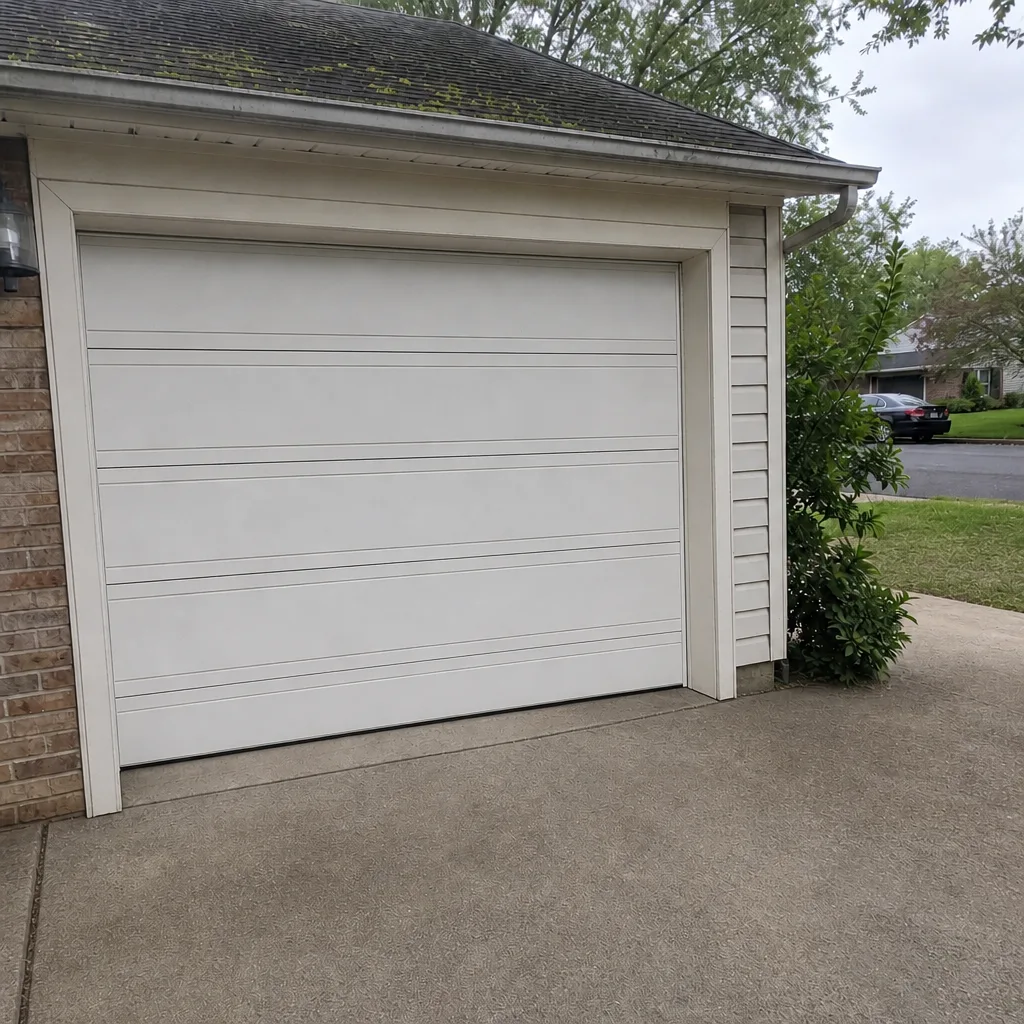 After
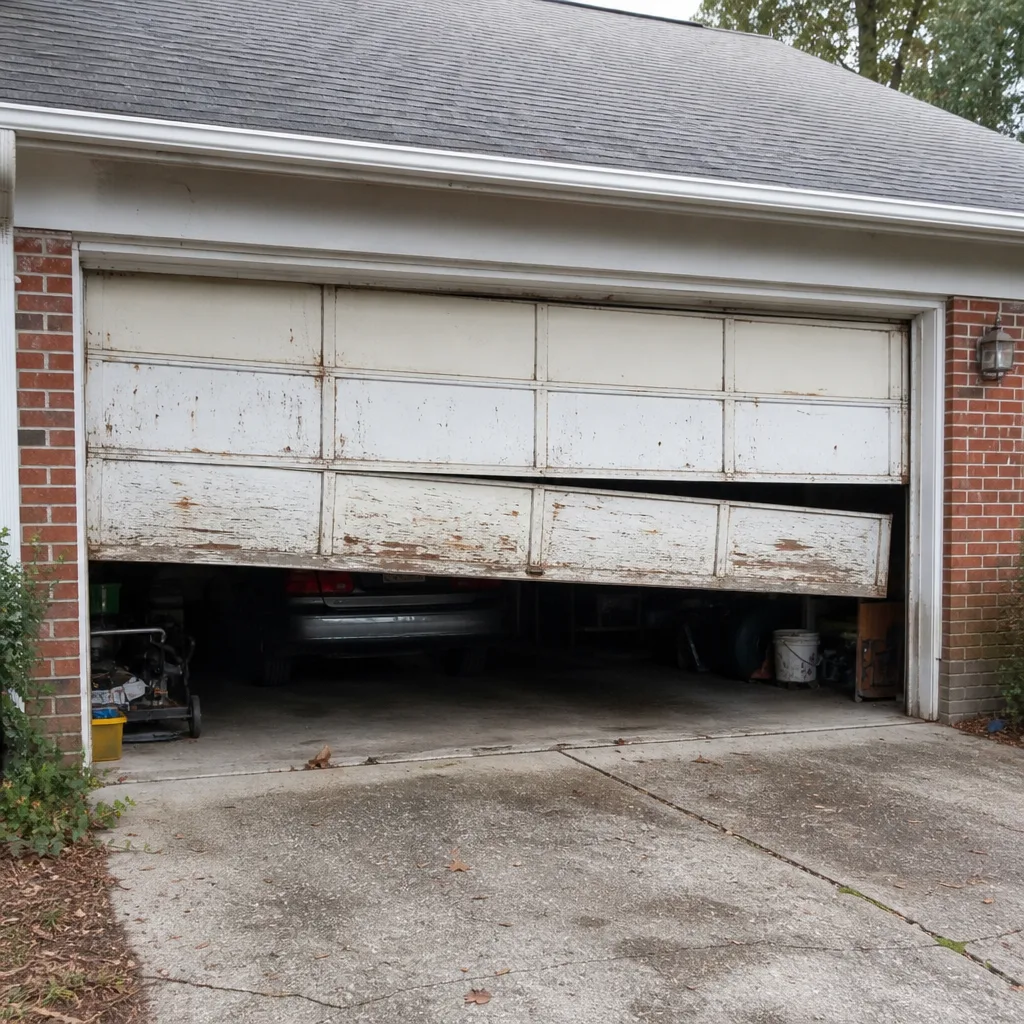 Before
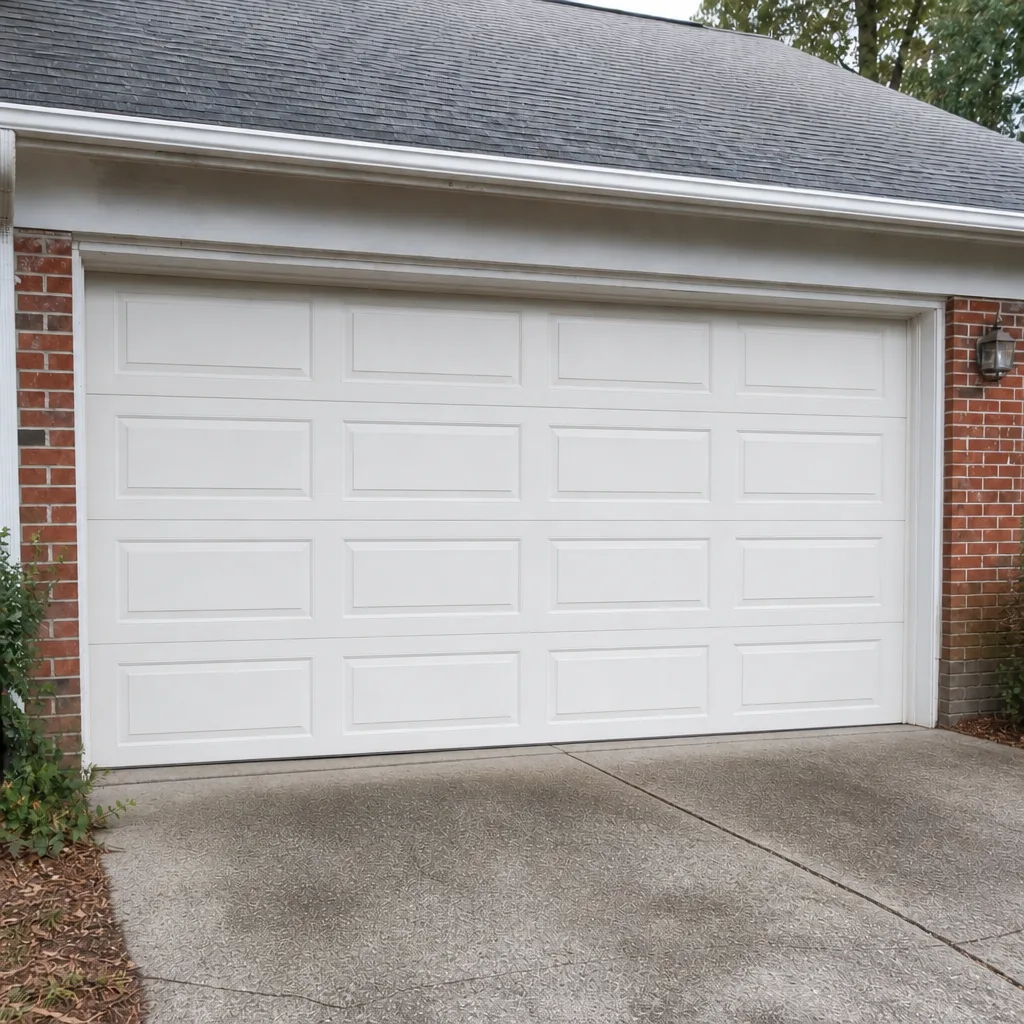 After
Common Mistakes to Avoid
- Lubricating everything in sight. The tracks should stay dry; lubrication on the tracks attracts debris and causes buildup that binds the door. Hinges and rollers get lubricant, tracks don’t.
- Ignoring one-sided vibration. In Arlington’s humidity, a cable fraying on one side won’t fix itself, and by the time it snaps, the spring often goes with it. Treat one-sided vibration as a warning, not a quirk.
- “Just using it a little longer.” A door that’s grinding or reversing unpredictably gets worse with every cycle. Ten more uses can be the difference between a repair and a full replacement.
- Calling for a new door before a diagnosis. Plenty of doors that “need replacing” need a spring, a roller set, or an adjustment. Get a diagnosis first, then decide. We’re not interested in selling you a door you don’t need.
- Patching the weather seal with tape or caulk. Arlington’s freeze-thaw swings will peel it off inside a single cold snap, and the trapped moisture accelerates what you were trying to stop.
- Unplugging the safety reverse instead of fixing it. The auto-reverse exists to protect people, pets, and cars. A door without a working reverse isn’t just inconvenient; it’s a hazard.
- Letting a stuck-open door sit overnight. In Arlington, that’s a security concern, not just an inconvenience. Call and get it handled rather than plan to deal with it later.
When to Call a Professional
Call a professional now, not later, if you see a broken spring, a frayed or snapped cable, a door off its tracks, or a door that reverses with nothing in the way. Having a stuck-open door overnight, or a door that won’t open at all with a car trapped inside, qualifies as urgent too. Schedule a call for grinding, uneven travel, one-sided vibration, or slow response, because those become bigger problems within days. And call for anything involving springs, cables, tracks, or opener wiring, because those are where homeowners get hurt.
Gaines Garage Door Repair offers free estimates in Arlington. Call (877) 745-1385 and we’ll tell you what your door needs, in plain language, with the price set up front and before any work begins.
Frequently Asked Questions
The most reliable sign is slow travel combined with one-sided vibration, plus a door that’s become harder to lift by hand. A visible gap in a torsion spring or a stretched extension spring means it’s already broken and you should stop using the door. If you’re unsure, don’t test it by opening and closing repeatedly. Call us and we’ll diagnose safely. Estimates are free at (877) 745-1385.
No. We quote based on what we diagnose, and the price is agreed with you before any work begins. If we find something different once the door is open, you’ll get a new quote before any repair, not an invoice after. Call (877) 745-1385 to schedule a free estimate.
The local professionals we connect you with are licensed and insured as required in their state. Our technicians have up to 12 years of experience with the eight major door and opener brands, including LiftMaster and Wayne Dalton. Call (877) 745-1385 for details specific to your job.
Yes, and that pattern is common in Arlington. Freeze-thaw cycles stiffen weather seals and change clearance, so a door that runs fine in summer can bind or reverse in winter. We diagnose the door in the state you’re seeing it. If the seal is the issue, you’ll know that, and if something else is behind it, you’ll know that too. Call (877) 745-1385 for a free estimate.
Opener problems show up as reversing at start (often safety sensors), short remote range, lights flickering, or the opener running with no door movement. Door problems show up as grinding, uneven travel, one-sided vibration, or the door getting heavier to lift. We diagnose both in the same visit so you don’t get bounced between contractors. Call (877) 745-1385.
Emergency service is available for situations that can’t wait, including a spring failure that traps your car or a door stuck open overnight. Call (877) 745-1385, and we’ll treat it as the urgency it is, not schedule it as a routine appointment. A free estimate comes with the visit.
The Bottom Line
Triage is what this guide is for. Stop using the door the moment you see a broken spring, a frayed cable, an off-track door, or a failing safety reverse. Schedule this week for grinding, uneven travel, vibration on one side, or an opener that’s struggling. Monitor for 30 days only on minor, cosmetic items, and check back weekly. Read combinations, not single symptoms, because one sign alone rarely tells you what’s failing. In Arlington, pay extra attention to cables during humid months and weather seals during freeze-thaw swings. Take 10 minutes each season to run the visual inspection, know which fixes are yours to do and which aren’t, and call rather than guess on anything involving springs or wiring.
If your door is trying to tell you something and you’d rather not interpret it alone, call Gaines Garage Door Repair at (877) 745-1385 for a free estimate. We work on the door and opener you already own, with the price agreed before any work starts.
Written by the team at Gaines Garage Door Repair.